Identify
Wasp identification: what nest or insect did you find?
Before you spray, call anyone or leave a nest alone, it helps to know what you are looking at. These guides help you tell wasps from bees, match a nest to the insect that built it, and judge how careful you need to be. Everything here is meant to be done from a safe distance, ideally 10 to 15 feet away with your phone’s zoom.
Start with two questions: is it a wasp or a bee, and what does the nest look like? Bees are fuzzy and visit flowers; wasps are smooth and narrow-waisted. Paper, mud and hidden nests each point to different wasps.
Wasp or bee?
Honey bees and bumblebees need a different plan from wasps, so this is always the first check.
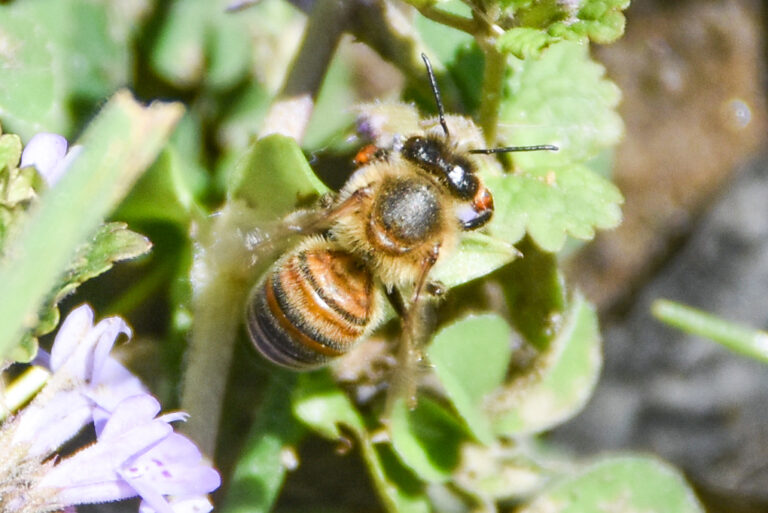 Wasp vs. beeQuick checks for body, behavior and nest, plus common look-alikes.
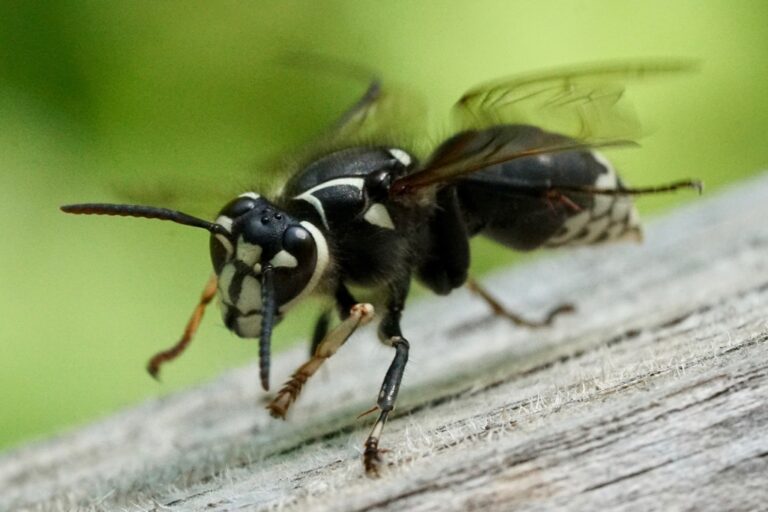 Bumblebee vs. wasp vs. hornetWhich big buzzing insect you have, and which ones deserve caution.
Wasp nests
The nest usually tells you more than the insect. Start with the photo guide, then open the guide for your nest type.
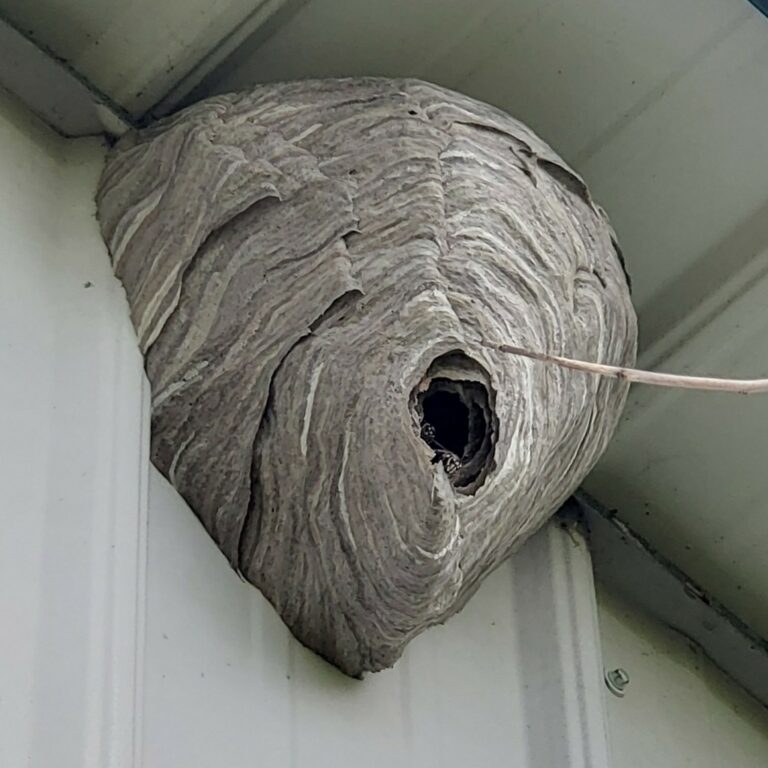 Types of wasp nestsA photo guide to open combs, paper balls, ground, hidden and mud nests.
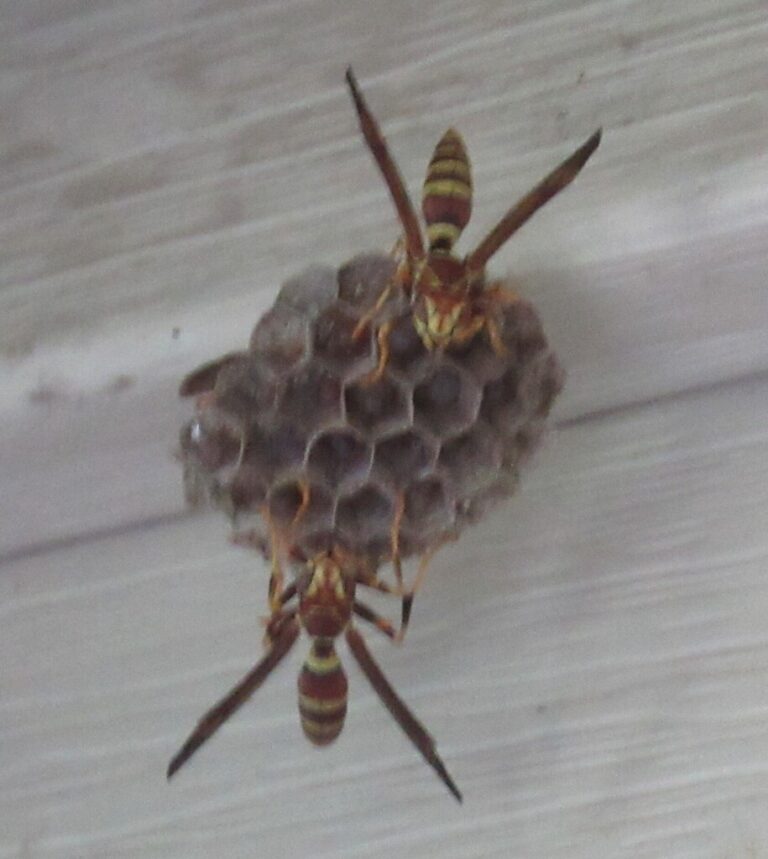 Paper wasp nestsThe open umbrella comb under eaves and railings, and what to do.
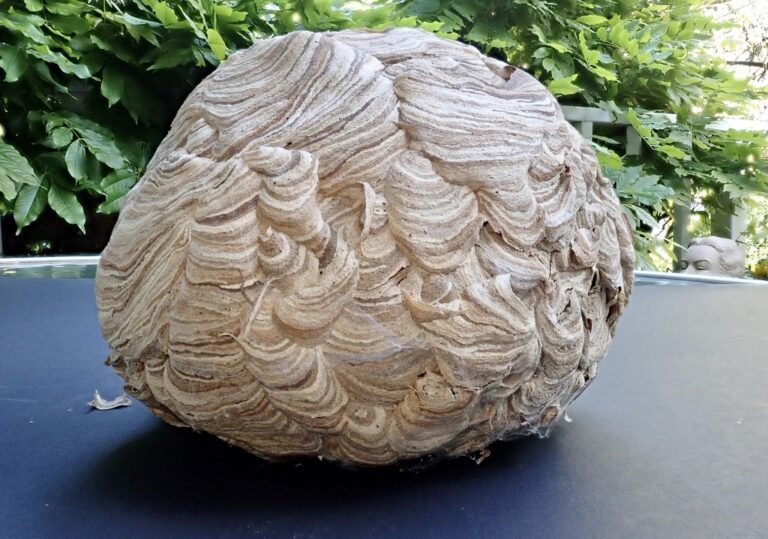 Yellowjacket nestsGround, wall and attic nests from the most sting-prone wasp.Bald-faced hornet nestsThe gray paper “football” in trees and under eaves.
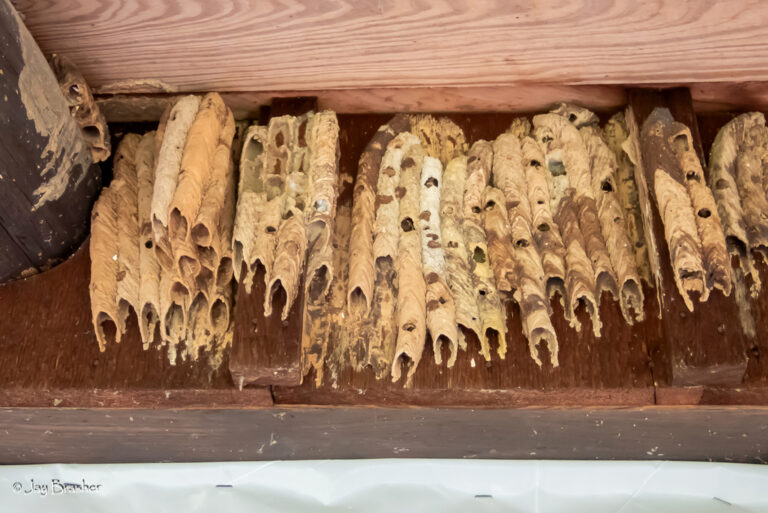 Mud dauber nestsMud tubes and lumps: usually harmless, often empty.
Other wasps and hornets
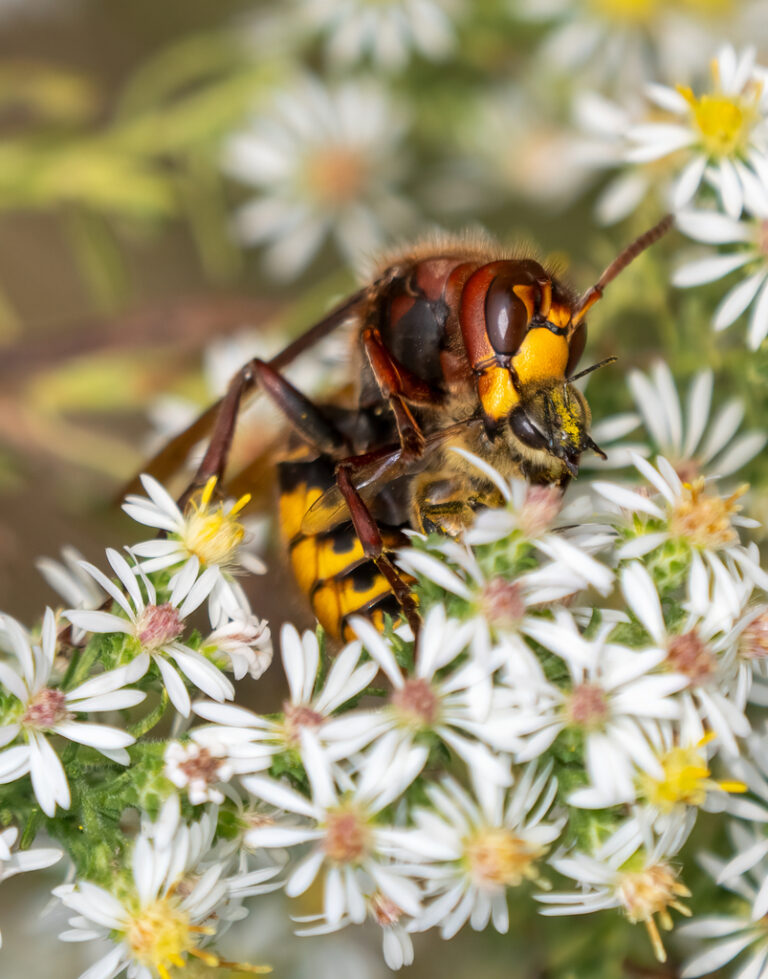 European hornetsThe large brown-and-yellow hornet that flies at night.
Stung, or allergic to stings?
Do not try to identify a nest up close if anyone in your household is allergic. In an emergency, such as trouble breathing or swelling of the face or throat after a sting, call 911 and use a prescribed epinephrine auto-injector if one is available. For ordinary stings, see what to do first.
Know what you have?
Take the four-question wasp nest decision guide to decide whether to leave the nest, handle a small one yourself, call a beekeeper or call a professional.
For who writes these guides and how we stay independent, see About.