
Wasp dust: how insecticide dust works on ground and wall nests
Updated
Short answer
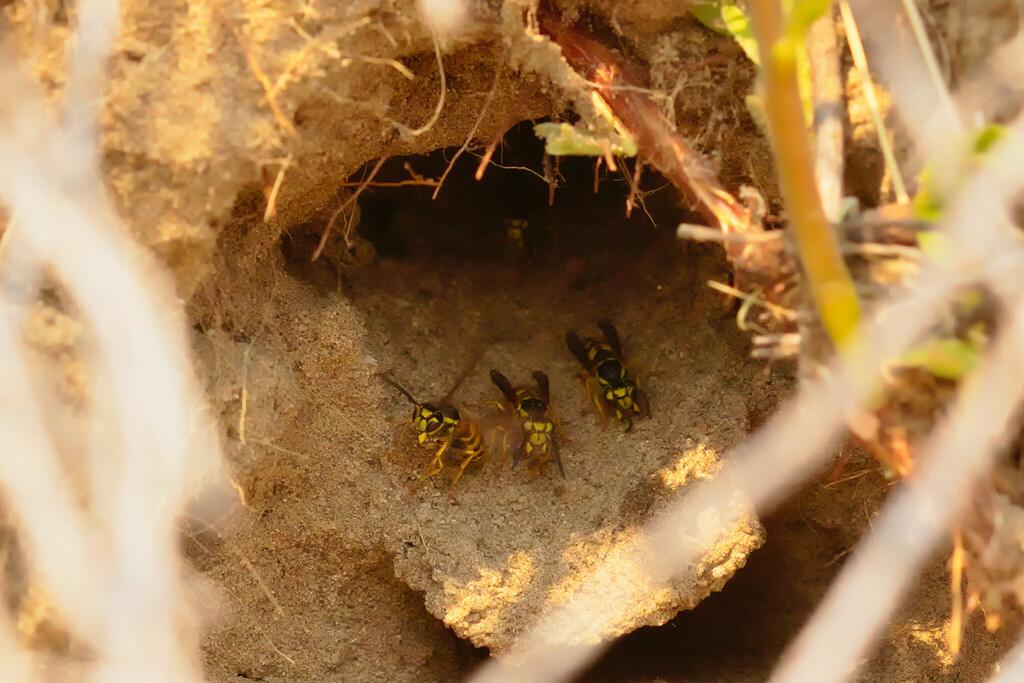
Insecticide dust is the go-to tool for yellowjacket nests you cannot see: a hole in the lawn or a crack in a wall. A small amount puffed into or over the entrance at night sticks to the wasps going in and out, and they carry it deep into the nest. The colony usually dies within a day or two; a second treatment catches wasps that hatch later. Dust is not the best choice for open paper wasp nests, which are easier to treat with a spray. Always use a product labeled for wasps and for that site, follow the label exactly, and never seal the hole afterward.
How wasp dust works
A yellowjacket nest in the ground or inside a wall is a paper ball you cannot reach, often a foot or more from the entrance. Spray mostly hits the opening. Dust works differently: wasps walk through it at the entrance, pick it up on their legs and bodies, and spread it inside as they move over the comb and touch each other. That is why it works on nests that sprays cannot reach, and why it takes a day or more instead of minutes.
When dust is the right tool
| Nest | Dust? | Better option |
|---|---|---|
| Yellowjackets in a hole in the ground | Yes, a standard choice | A labeled spray also works; see yellowjacket ground nests |
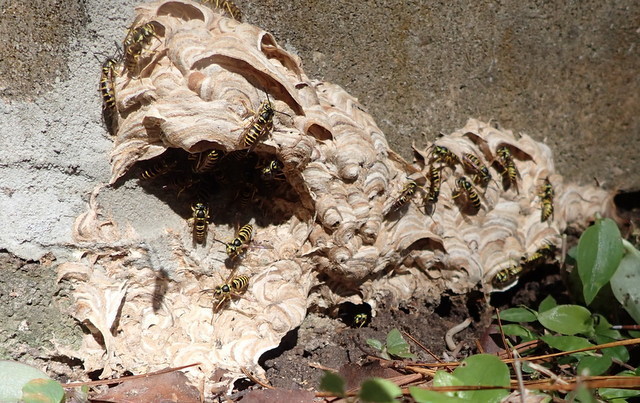
| Yellowjackets going in and out of a wall crack | Yes, but usually a professional job | Professionals dust wall voids; see wasp nest in a wall |
| Open paper wasp nest under an eave or rail | Not ideal | A wasp and hornet spray at dusk; see removing a paper wasp nest |
| Hanging gray ball in a tree (hornets) | Rarely | Usually a professional, especially if it is high |
| Nest in a dryer, furnace or other appliance vent | No | Call a professional; do not puff or spray into it |
How it is applied, step by step
- Find the entrance in daylight. Watch from a distance until you are sure which hole the wasps use. Mark it with a stake or flag a few feet away.
- Read the label first. Check that the product is labeled for wasps or yellowjackets and for that site (ground, around buildings, wall voids). Labels differ, and the label is the law.
- Go back after dark. Most wasps are inside and slow. Wear long sleeves, long pants, gloves and eye protection. If you use a light, point it at something next to the hole rather than straight at the entrance.
- Approach from the side, not the flight path. Apply a small amount right at or into the entrance: a few puffs from a bulb duster, or about a tablespoon dropped over a ground hole from a cup taped to a long stick.
- Leave right away. Do not plug, cover or stamp on the hole; returning wasps need to walk through the dust.
- Check after 24 hours. If wasps are still going in and out, treat again. A second treatment is a good idea anyway, because young wasps keep emerging from the comb for several days.
- Wait until all activity stops before digging up a ground nest or sealing a wall crack.
Safety
- Keep children and pets away from treated holes; dust stays on the surface.
- Do not dust on a windy day, and keep it out of vegetable beds and water.
- Do not puff dust into dryer vents, furnace or water heater vents, or inside the house. In a wall, dust can drift into rooms through gaps; that is one reason wall nests are usually left to professionals.
- If anyone at home is allergic to stings, do not treat the nest yourself.
Dust or spray?
Sprays act fast and are the simpler choice for nests you can see and reach, like a paper wasp comb or a small exposed nest; see how to choose a wasp spray. Dust is slower but reaches hidden nests and keeps working as wasps come and go. Some people use both: a spray into a ground entrance to knock down wasps at the opening, then dust for the rest of the colony. Whatever you use, timing matters; the best time to treat a nest is at night.
When to leave it to a professional
Nests inside walls, attics or vents, nests you cannot find, very large or very active colonies, and any job where someone is allergic. Professionals carry dusters that reach into wall voids and know how to keep dust out of living space. Wall nests typically cost $350 to $875 to treat; see wasp nest removal cost and when to call a pro.
If someone is stung
Trouble breathing, throat or tongue swelling, dizziness or hives spreading over the body after a sting: call 911.
For an ordinary sting, see what to do first after a sting and signs of a sting allergy.
Common questions
How long does wasp dust take to work?
Usually a day or two for a ground nest, sometimes longer for a big colony. Activity should drop sharply after the first night; a second treatment finishes the job.
Can I use dust in the daytime?
Some experienced people do, approaching from the side and leaving quickly. It is riskier: many wasps are out foraging and the rest are alert. Night is safer.
Why did the wasps make a new hole after I dusted?
Usually because the entrance was blocked, by soil kicked over it, a stone or a plug. Leave it open so wasps keep walking through the dust.
Does wasp dust work on bees?
It would kill them, which is why you should be sure it is wasps first. Ground-nesting bees leave many small holes with soil mounds and are best left alone; see wasp vs. bee.
Your next step
- All product guides: wasp control products.
- Not sure what to do: the wasp nest decision guide.
Related guides
 Best Wasp and Hornet Sprays: How to ChooseStore shelves are full of cans that promise to kill wasps from 20 feet away. Most of them work on…
 How to Keep Wasps Away from Your PatioIn late summer, a burger or a soda on the deck can draw yellowjackets within minutes. They are not…
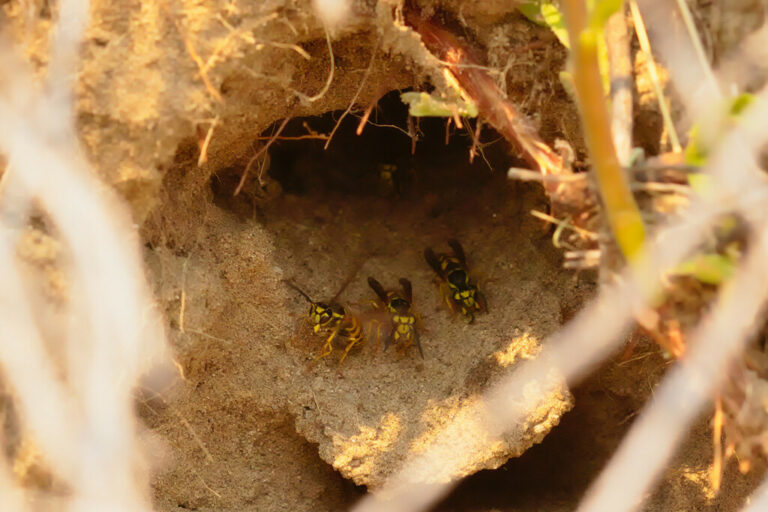 How to Get Rid of a Yellowjacket Ground NestYellowjackets streaming in and out of a hole in the lawn are one of the most common late-summer…
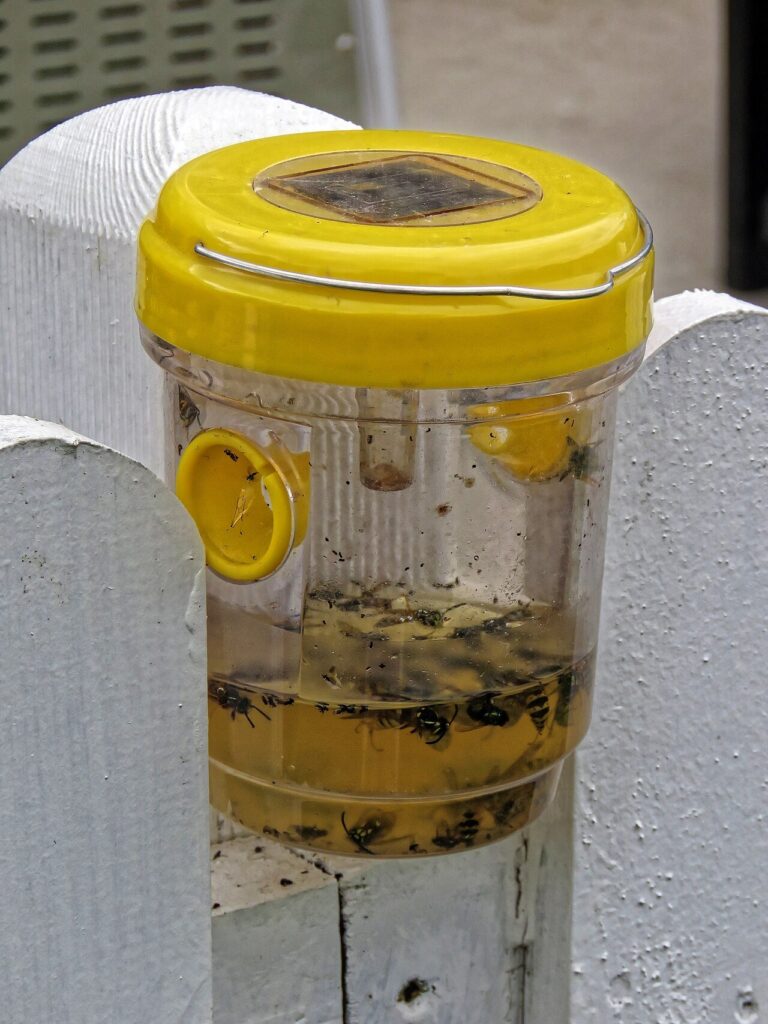 Best Wasp TrapsWhich traps catch yellowjackets, what bait to use each season and where to hang them.
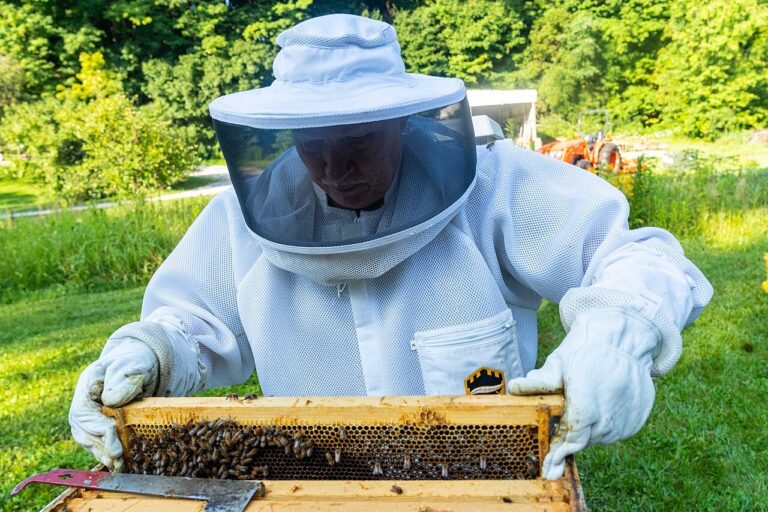 Protective Gear for Wasp Nest RemovalWhat to wear before you go near a nest, and the cases where no suit makes the job safe…
Sources
- Yellowjacket Control Method (Bug's Eye View, Vol. 4, No. 21), Blake Layton, Mississippi State University Extension, 2018.
- Wasp Control Around the House, Iowa State University Extension, Yard and Garden.
- Controlling Wasps, Hornets and Yellowjackets (ENTFACT-620), Michael F. Potter, University of Kentucky Entomology, revised 2018.
- What to do about yellowjackets, Yulie Velez, University of California Agriculture and Natural Resources, 2026.
We do not sell products or earn from product links; this page explains how dust is used and what to check on a label, not which brand to buy. Photos are shared by their authors on iNaturalist under Creative Commons licenses, credited under each image. For who writes these guides and how we stay independent, see About.