
How much does wasp nest removal cost?
Updated
Professional wasp nest removal in the US usually costs a few hundred dollars, but the price for one nest can range from about $100 to well over $1,000. What you pay depends mostly on the kind of wasp, where the nest is and how hard it is to reach. Here is what to expect, what drives the price up, and how to avoid overpaying without taking risks.
Short answer
Expect to pay around $300 to $700 for a professional to remove one wasp nest. Small, exposed paper wasp nests are at the low end, often $100 to $400. Yellowjacket nests in the ground or in walls and bald-faced hornet nests are at the high end, often $500 to $1,300. Access matters too: nests in walls, attics, chimneys or high up cost more. Prices vary by region and season, so get a quote for your specific job. The same ranges apply whether a company calls it wasp nest removal, wasp extermination or wasp control: you are paying for one visit to treat one nest.
Three typical jobs
| Job | Typical price | What you pay for |
|---|---|---|
| Small open nest: paper wasps under an eave or on a fence, reachable from the ground | $100–$400, often about $300 | One short visit and a spray treatment |
| Ground colony: yellowjackets going in and out of a hole in the lawn | Often $500 or more; large colonies up to about $1,300 | Dust treatment of a big, defensive colony, sometimes a return visit |
| Nest inside a wall: wasps using a gap in the siding or trim | $350–$875 for the treatment | Treating the hidden nest. Opening and repairing the wall is billed separately, if it is needed |
Figures are compiled from national US cost guides updated in 2025 and 2026 (listed under Sources at the end) and rounded. They are a guide, not a quote.
Cost by type of wasp
| Wasp | Typical cost | Why |
|---|---|---|
| Paper wasps | $100–$400 | Small, exposed nests that are quick to treat |
| Mud daubers | about $300 | Rarely a pest-control job; old mud nests can usually be scraped off |
| Hornets (general) | $300–$450 | Larger nests, more protective gear |
| Bald-faced hornets | $625–$750 | Large, defensive colonies, often high in trees or under eaves |
| Yellowjackets | $500–$1,300 (often around $700) | Big colonies, usually hidden in the ground or in walls |
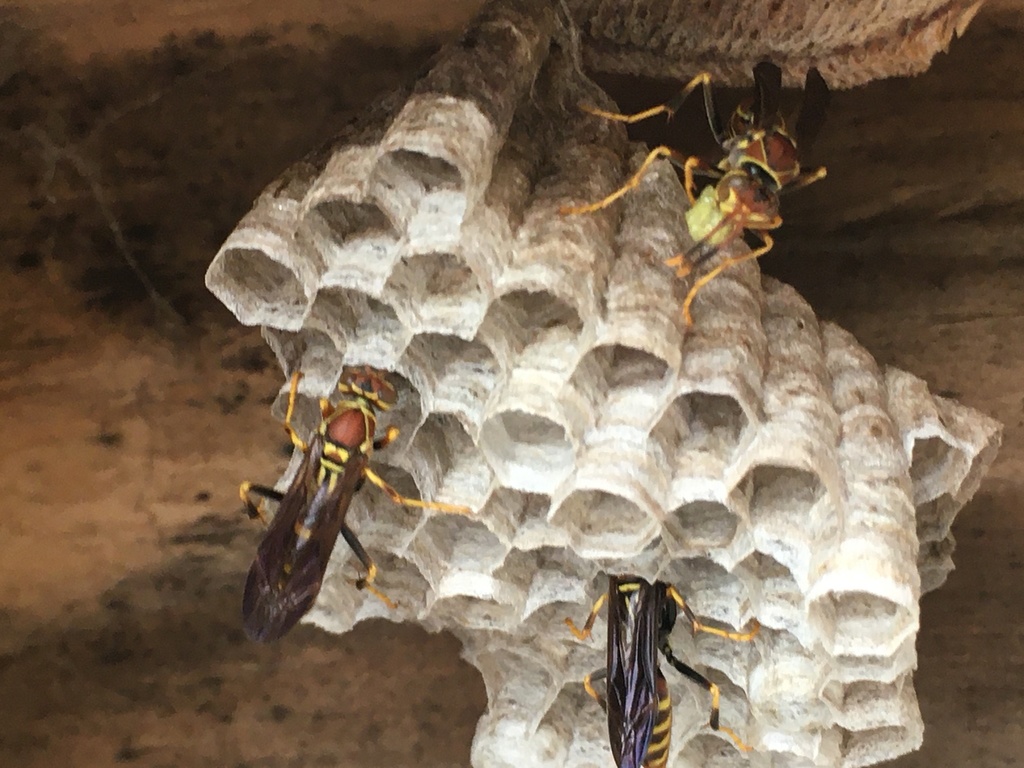
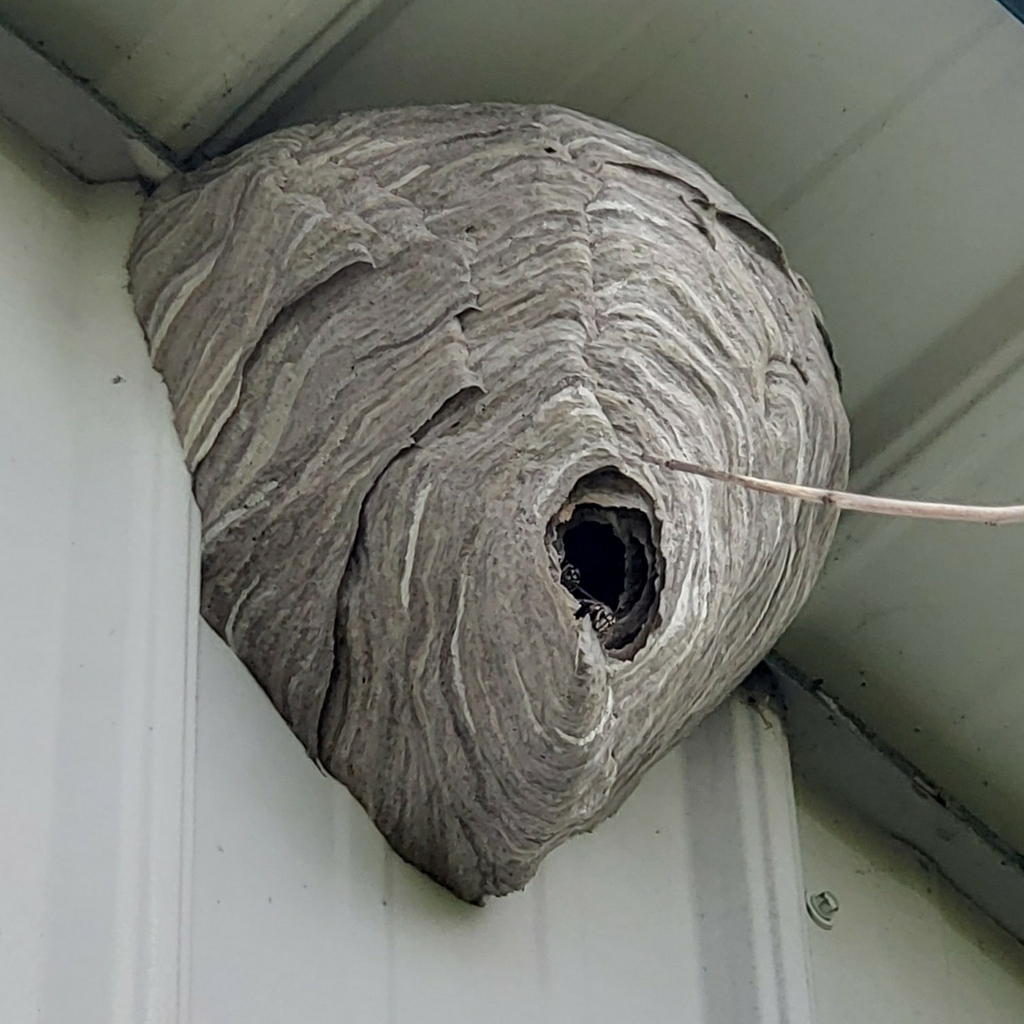
Not sure which wasp you have? See types of wasp nests, yellowjacket nests and bald-faced hornet nests.
Cost by nest location
| Location | Typical cost | Notes |
|---|---|---|
| Shrub, tree or eave near the ground | about $300 | Easiest access |
| Attic | $325–$450 | More if the nest is high or in insulation |
| Inside a wall | $350–$875 | Wall repair, if needed, is extra |
| Chimney | $475–$600 | Hard and slow to reach |
| Underground | often $500+ | Usually yellowjackets; colonies are large. See yellowjacket ground nests |
| Second story or higher | extra | Some companies add a per-foot or access surcharge |
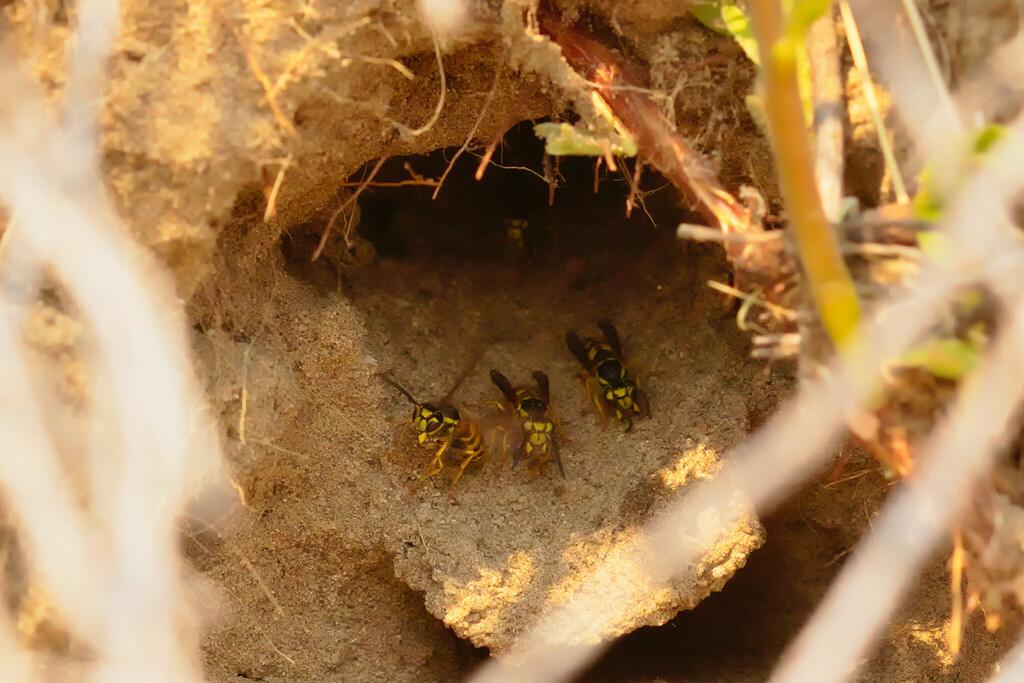
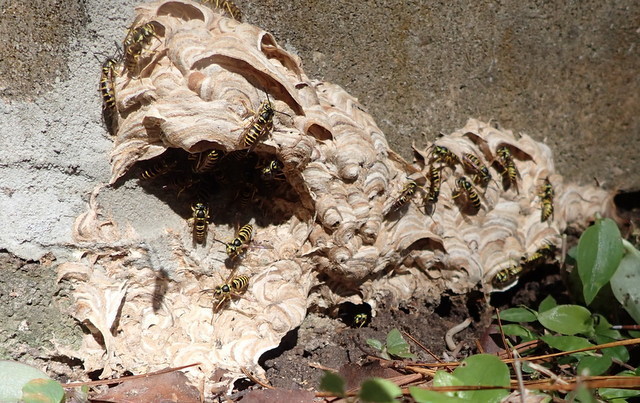
What can add to the bill
- Emergency or same-day service: often $50 to $100 extra.
- Hard-to-reach nests: up to about $100 extra, more for very high work.
- Follow-up visits: sometimes included, sometimes $100 or more. Ask before you book.
- Taking the nest out of a wall or ceiling: usually not needed after treatment, but if it is, carpentry and drywall repair can add several hundred dollars.
- Several nests: many companies discount additional nests on the same visit, others price each one.
- Recurring plans: general pest control plans run roughly $40 to $70 a month. Useful for some homes, but you do not need one to get a single nest removed.
Cost by treatment method
| Method | Typical cost | Used for |
|---|---|---|
| Aerosol / spray | from about $125 | Exposed hanging nests |
| Dust | from about $200 | Ground nests and nests in voids |
| Vacuum removal | from about $250 | Some wall and crevice nests; also used for live bee removal |
DIY cost vs. professional
For a small, exposed nest you can reach from the ground, DIY costs little: a can of wasp and hornet spray is usually under $20, and basic protective gear adds a bit more. A full bee suit costs roughly $50 to $200. For anything larger, hidden or high, the real cost of DIY includes the risk of stings, falls and a failed attempt that ends with a pro visit anyway. Compare in DIY vs. professional removal, and if DIY fits, follow how to get rid of a wasp nest safely.
How to pay less without taking risks
- Ask whether it needs to go at all. A nest far from people can often be left until frost; see should you remove a wasp nest or leave it.
- Act early. A small nest in spring is cheaper and easier than a large one in August.
- Get two or three quotes and ask for a price for this one job, not only a contract.
- Ask what is included: inspection, treatment, nest removal, a follow-up visit or a guarantee.
- Bundle nests: if you have several, have them done in one visit.
- Avoid emergency fees when it is safe to wait a day: keep people away from the nest and book a regular slot.
What to ask on the phone: questions to ask a wasp removal company. When a pro is the right call: when to call a professional for wasps.
Are they bees? Honey bee removal is a different service, often done by a beekeeper or live bee removal specialist. Prices vary widely, from roughly $135 to over $1,000, depending on how much comb has to come out of a wall or roof. See wasp vs. bee.
Where a professional fits here: we are an independent guide and do not do removals. When a nest calls for a pro, our aim is to help you find a qualified local one and know what a fair price looks like.
Allergic to stings?
If anyone in your household is allergic to bee or wasp stings, do not try to remove a nest yourself to save money. In an emergency, such as trouble breathing or swelling of the face or throat after a sting, call 911 and use a prescribed epinephrine auto-injector if one is available.
Common questions
Why is yellowjacket removal so expensive?
The colonies are large, often thousands of wasps by late summer, and the nest is usually hidden in the ground or a wall, which takes more time, more product and more protective gear.
Do pest companies charge for an inspection?
Many give free estimates; others charge an inspection or service-call fee that is credited toward the treatment. Ask when you call.
Is a follow-up visit included?
Sometimes. Ask whether the price includes a return visit if the wasps are still active after a few days.
Does homeowners insurance pay for wasp removal?
Usually not; pest problems are typically treated as maintenance. Damage from a related event may be different. See does homeowners insurance cover wasp damage.
Is it cheaper at the end of the season?
After several hard freezes the colony dies on its own in most of the US, so an empty nest can simply be taken down for free. During the season, earlier is usually cheaper than later.
How much does a wasp exterminator cost?
A pest control company typically charges $300 to $700 to treat one wasp or hornet nest. Simple paper wasp nests start around $100, and hidden yellowjacket nests in walls or the ground can reach $1,300. Some companies offer recurring service plans; if you only have one nest, ask for a one-time price and whether a follow-up visit is included.
Is a wasp control plan cheaper than a one-time nest removal?
Not if you only have one nest. A recurring wasp control plan spreads the cost over the season and can make sense for homes that get several nests every year. For a single nest, a one-time treatment with a follow-up visit included is usually the cheaper choice. Ask for both prices before you sign.
Sources
- HomeAdvisor: How Much Does Wasp Nest Removal Cost? (2025)
- Fixr: Wasp Nest Removal Cost (updated January 2025)
- This Old House: Wasp Exterminator Cost (updated June 2026)
- LawnLove: How Much Does Wasp Nest Removal Cost? (updated October 2026)
Your next step
- Decide what to do: the wasp nest decision guide.
- Deciding between DIY and a pro: DIY vs. professional removal.
- All cost guides: wasp removal cost guides.
Related guides
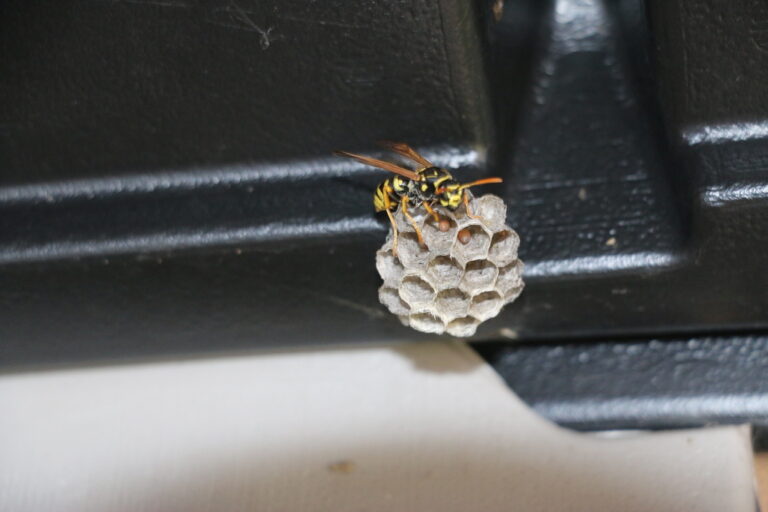 Wasp Nest Removal: DIY vs. ProfessionalA can of wasp spray costs less than a takeout dinner; a pest professional costs a good deal more.…How to Get Rid of a Wasp Nest SafelyA small wasp nest you can reach from the ground is often a job you can do yourself in one evening.…Best Time to Remove a Wasp NestWhen you deal with a wasp nest matters almost as much as how. The same nest that takes two minutes…
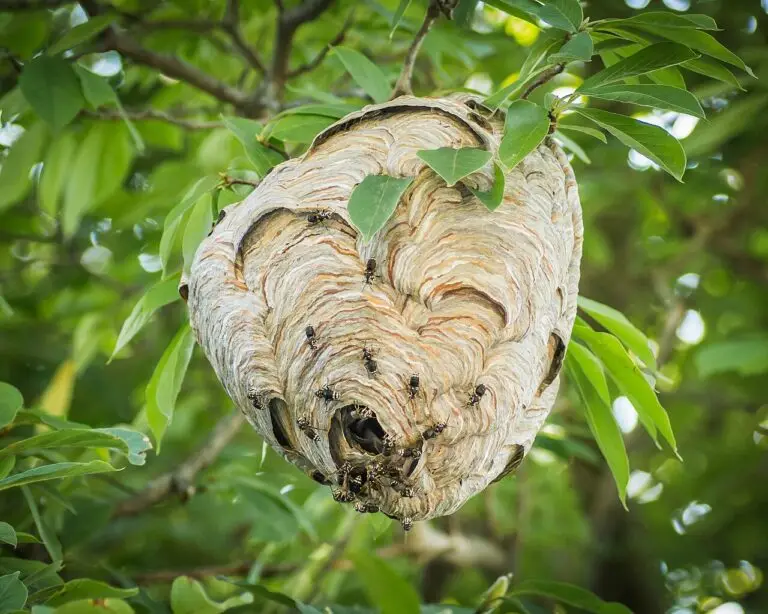 Hornet Nest Removal CostUsually $300–$475; bald-faced hornet nests $500–$800. What drives the price…
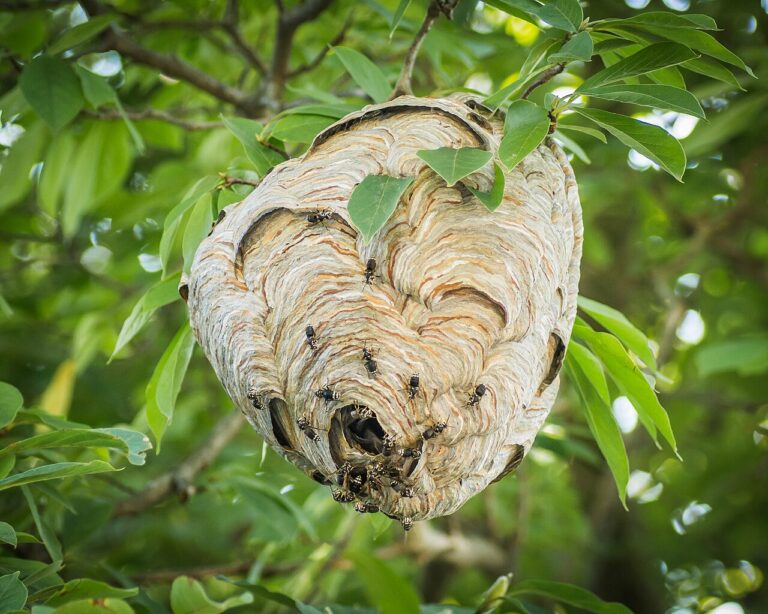 Questions to Ask a Wasp Removal CompanyLicense, insurance, the treatment plan and what the price includes.
Photos on this page are shared by their authors on iNaturalist under Creative Commons licenses, credited under each image. For who writes these guides and how we stay independent, see About.