
How to keep wasps away from your patio, deck and outdoor meals
Updated
In late summer, a burger or a soda on the deck can draw yellowjackets within minutes. They are not after you: they are scavenging for sugar and protein for a colony at its peak. The good news is that most of what keeps them away is simple housekeeping. This guide covers what works, what does not, and how to tell when the real problem is a nest nearby.
Short answer
Keep food and sweet drinks covered, use cups with lids, clear plates and spills right away, and keep garbage and recycling in cans with tight lids away from where you sit. Feed pets indoors and pick up fallen fruit. If yellowjackets still show up, hang a lure trap at least 20 feet from the table, and look for a nest: steady traffic at a hole in the lawn, a gap in the deck or a crack in the house means the wasps live there.
Why wasps come to the patio
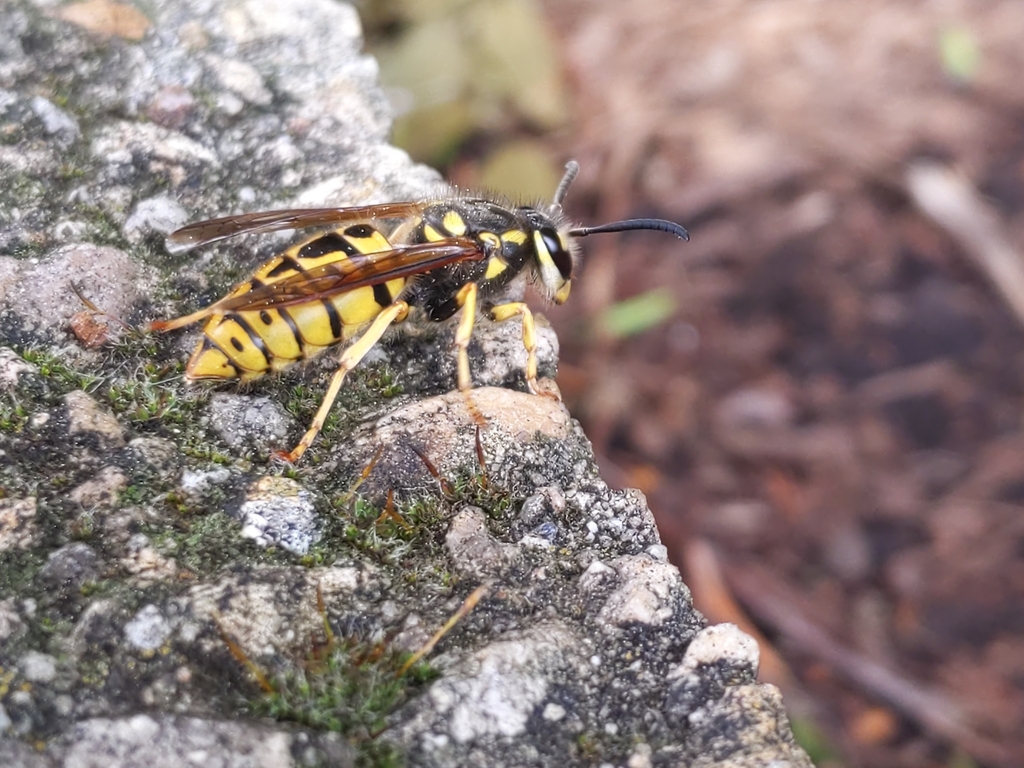
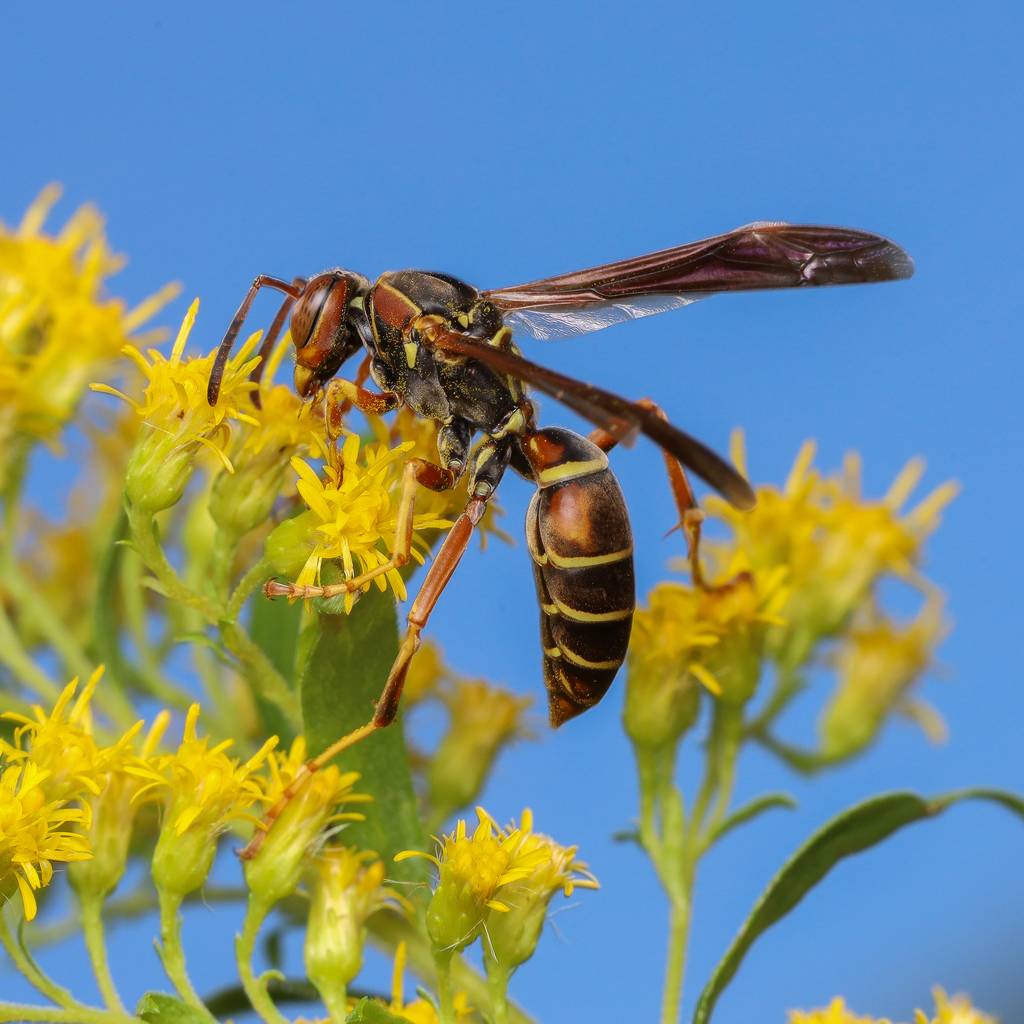
Early in the season, yellowjackets hunt caterpillars and other insects. From midsummer on, colonies are large and the workers switch to scavenging: sweet drinks, fruit, meat, pet food and garbage. Once a forager finds food, it recruits others and keeps checking the same spot even after the food is gone. Paper wasps are much less interested in human food and usually just pass through.
What works
Food and drinks
- Keep serving dishes covered and bring food out only when you eat.
- Use cups with lids and straws, and look before you drink from an open can or bottle; a wasp inside can sting your mouth or throat.
- Clear plates, wipe up spills and rinse sticky surfaces right after the meal.
- Grill meat and serve it promptly; do not leave scraps on the grill.
Garbage, recycling and compost
- Use cans with tight or self-closing lids, and bag food waste.
- Rinse drink cans and bottles before they go into recycling.
- Move bins away from the deck and empty them often in late summer.
- Cover compost and keep fruit scraps and meat out of open piles.
Around the yard
- Feed pets indoors, or pick up bowls right after meals.
- Pick ripe fruit promptly and clear fallen fruit from under trees.
- Bring in hummingbird feeders that leak, or choose models with bee guards.
- Fix dripping faucets and empty standing water near seating.
Traps: where they help
A yellowjacket lure trap can reduce the number of foragers around an eating area. Hang it at least 20 feet from where people sit, so it pulls wasps away from you rather than toward you, and keep the bait fresh. Traps catch mostly yellowjackets, not paper wasps or bees, and they do not remove a nest. Traps hung in late winter and early spring catch queens before they nest. More: do wasp traps work.
What does not work well
- Fake paper nests: little evidence that they keep yellowjackets away. See fake wasp nest decoys.
- Scents and home remedies such as peppermint oil, cloves, cucumber slices or dryer sheets: inconsistent at best. See natural wasp repellents.
- Bug zappers: they kill many harmless insects and are not effective against wasps.
- Spraying the patio with insecticide: it does not stop foragers flying in from elsewhere and harms bees.
Is there a nest nearby?
If wasps keep coming even when there is no food out, or you see many of them at once, look for a nest. Watch from a distance for a steady stream of wasps going in and out of one spot.
| Where | What to look for | Guide |
|---|---|---|
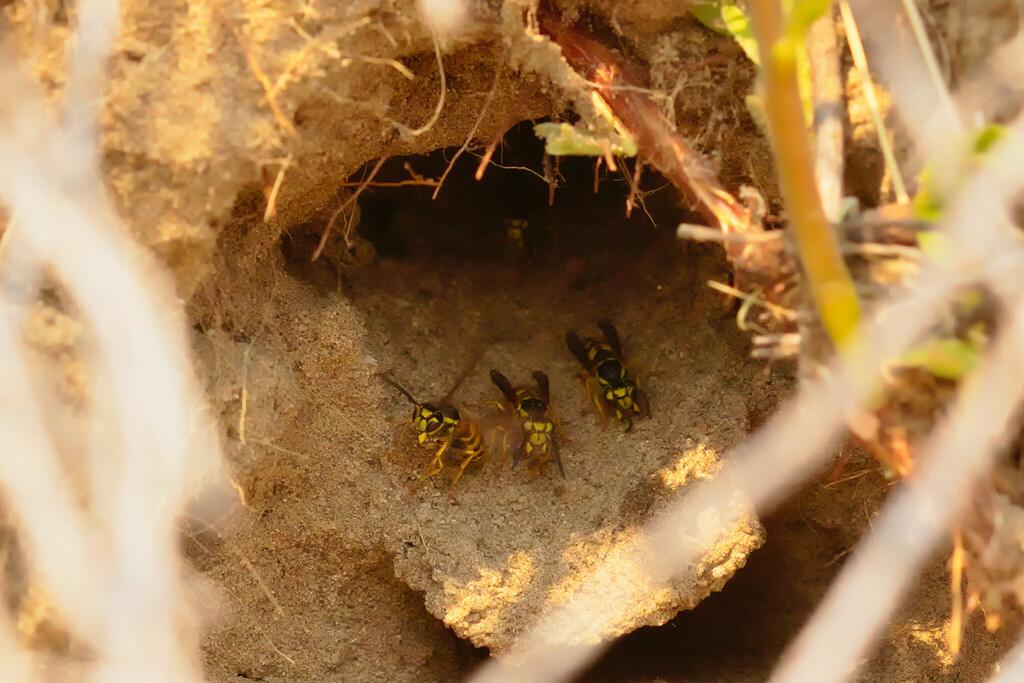
| Lawn and garden beds | A small hole with constant traffic | Yellowjacket ground nests |
| Under the deck or stairs | Gray paper nest on joists, or traffic at a gap | Types of wasp nests |
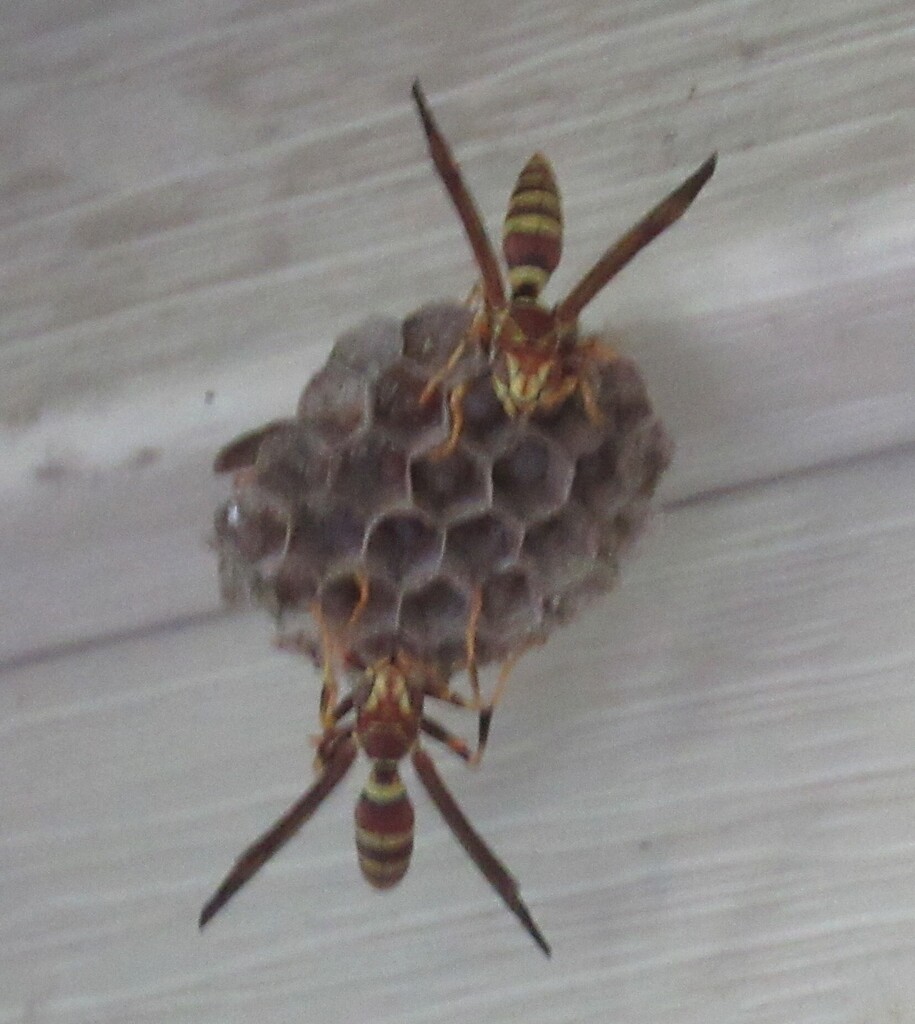
| Railings, eaves, porch ceiling, grill | Open, umbrella-shaped paper nest | Paper wasp nests |
| House wall, siding or vents | Wasps going in and out of a crack | Wasp nest in a wall |
| Trees and shrubs | Large gray football-shaped nest | Bald-faced hornet nests |
Not sure what to do about a nest you found: should you remove a wasp nest or leave it.
When a wasp lands on you or your food
- Stay calm and move slowly; swatting makes a sting more likely.
- Gently brush it off, or wait for it to leave.
- Do not crush a yellowjacket near the table. A crushed wasp releases an alarm scent that can make others more aggressive.
Call 911
Call 911 right away if someone who was stung has trouble breathing, swelling of the lips, tongue or throat, hives spreading beyond the sting, dizziness or fainting, or was stung inside the mouth or throat. Use a prescribed epinephrine auto-injector if one is available. For ordinary stings, see what to do first.
Common questions
What smells keep wasps away?
Many scents are claimed to work, including peppermint, clove and lemongrass, but evidence is weak and results do not last. Removing food and garbage works much better.
Why are wasps so bad in late summer?
Colonies are at their largest, and workers switch from hunting insects to scavenging sugar and protein, which brings them to people and food.
Do fake wasp nests work on the patio?
There is little evidence that they deter yellowjackets, which are the main patio pests. Food management and finding nearby nests work better.
Is it safe to use a wasp trap near children?
Hang traps out of reach and at least 20 feet from where children play or people sit, and handle the bait with gloves so the scent does not stay on your hands.
Your next step
- Stop nests from starting: how to prevent wasp nests.
- All prevention guides: wasp prevention.
- Products, honestly reviewed: wasp control products.
Related guides
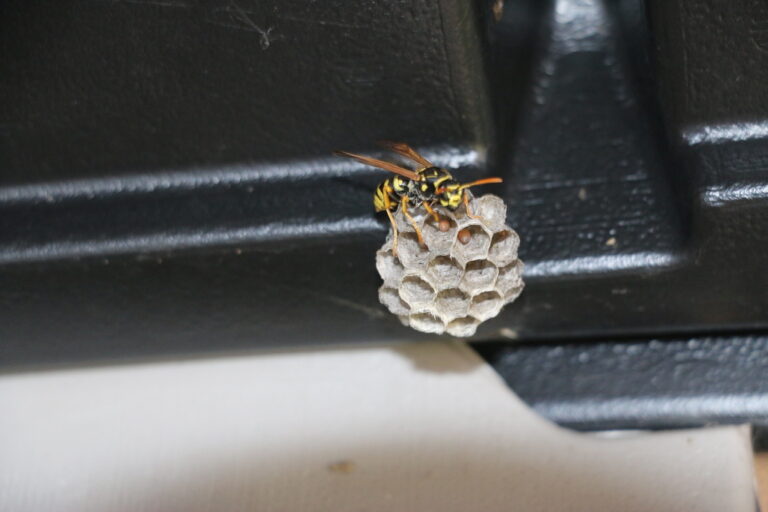 How to Prevent Wasps from Building NestsThe easiest wasp nest to deal with is the one that never gets built. Every nest around your house…
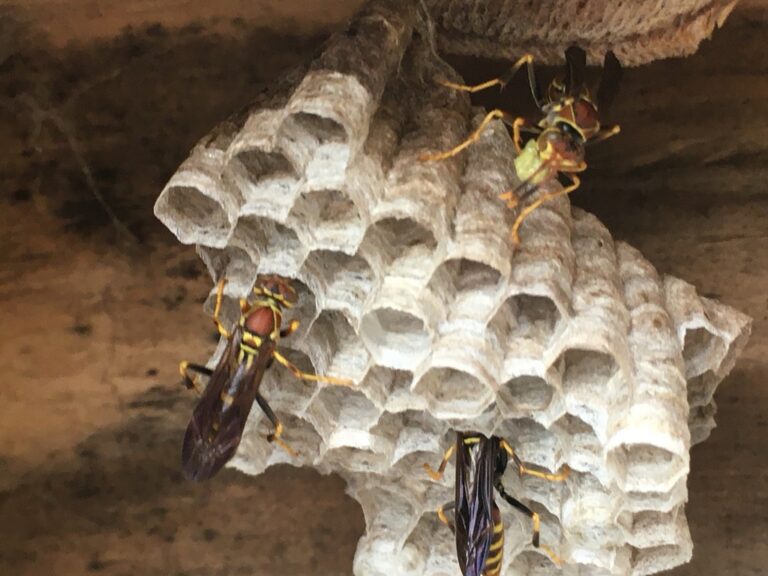 Best Wasp and Hornet Sprays: How to ChooseStore shelves are full of cans that promise to kill wasps from 20 feet away. Most of them work on…
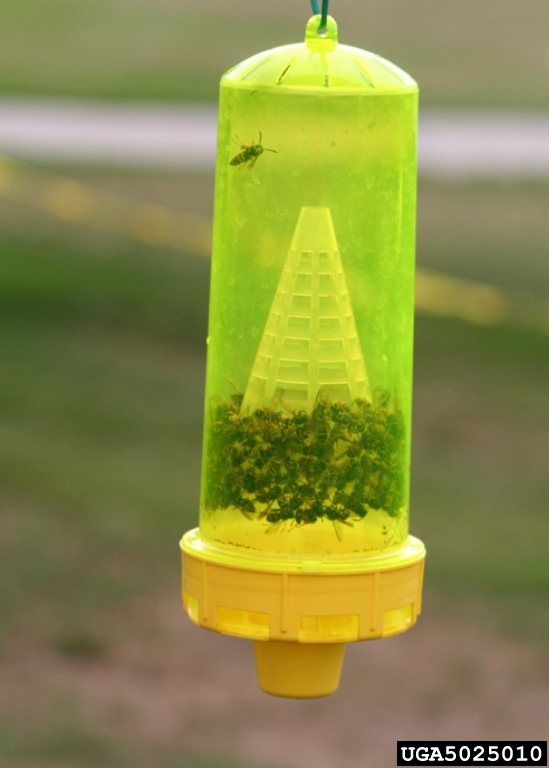 Do Wasp Traps Work?Partly. Lure traps catch foraging yellowjackets and can cut down how many show up around a patio or…
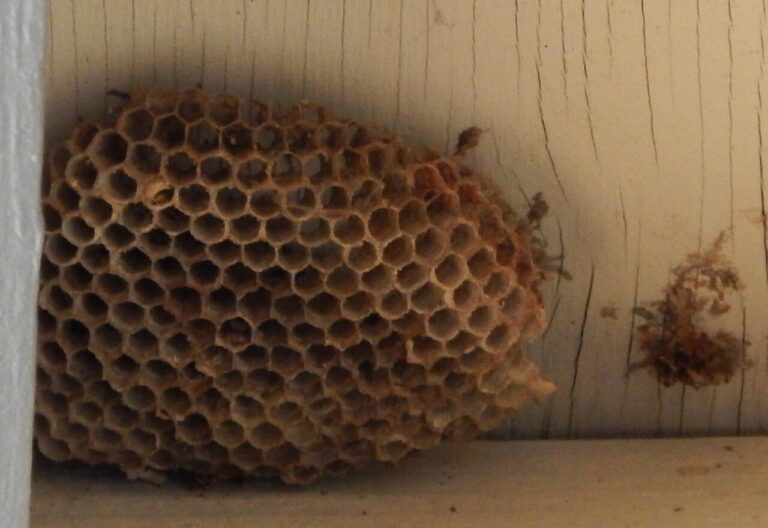 Do Wasps Return to an Old Nest?No. Paper wasps, yellowjackets and hornets do not move back into last year's nest. The colony…
 Natural Wasp Repellents: What WorksEssential oils, fake nests, and the simple steps that really keep wasps away.
Sources
- Integrated Pest Management: Yellowjackets, California Childcare Health Program, UCSF School of Nursing, 2016.
- Start early to prevent yellowjacket problems later, JoAnne Skelly, University of Nevada Cooperative Extension, February 2026.
- Yellowjacket Wasps, Iowa State University Extension.
- Yellowjackets, Washington State University Pestsense, reviewed 2025.
Photos on this page are shared by their authors on iNaturalist under Creative Commons licenses, credited under each image. For who writes these guides and how we stay independent, see About.