
Wasp sting: what to do first
Updated
Call 911 now if
the person who was stung has trouble breathing, wheezing or a hoarse voice; swelling of the lips, tongue, face or throat; hives or itching spreading beyond the sting; dizziness, fainting or confusion; vomiting or severe stomach cramps, or was stung many times or inside the mouth or throat. If they have a prescribed epinephrine auto-injector, use it right away as directed and still call 911.
Most wasp stings hurt sharply for a few minutes and leave a red, swollen, itchy spot that settles within a day or two. Simple first aid is all they need. This page covers what to do in the first minutes, how to tell a normal reaction from one that needs a doctor, and what to watch for afterward.
This is general first aid information, not medical advice. If you are unsure, call your doctor, an urgent care clinic or 911.
First aid, step by step
- Move away calmly from the area. Wasps can sting more than once, and a disturbed nest sends out more defenders. Get indoors or into a car.
- Check for a stinger. Wasps usually do not leave one; honey bees do. If you see one, scrape it out sideways with a fingernail or a card. Do not squeeze it with your fingers.
- Wash the sting with soap and water.
- Apply something cold: a cold, damp cloth or an ice pack wrapped in a towel, for about 10 to 20 minutes at a time. It eases pain and swelling.
- Remove rings, watches and tight clothing near the sting before swelling starts. If the sting is on an arm or leg, raise it.
- For pain and itching, an over-the-counter pain reliever, an oral antihistamine, or hydrocortisone cream or calamine lotion can help. Follow the package directions, and ask a pharmacist or doctor first for children, during pregnancy or if you take other medicines.
- Do not scratch, which can break the skin and lead to infection.
- Keep an eye on the person for the next hour. Serious allergic reactions usually start within minutes but can take longer.
Normal reaction or something more?
| Reaction | What it looks like | What to do |
|---|---|---|
| Normal local reaction | Sharp pain, then a red, swollen, itchy spot around the sting, fading within a day or two | First aid above |
| Large local reaction | Swelling and redness that spread well beyond the sting, sometimes a whole hand, forearm or leg; can keep growing for up to two days and last up to about 10 days | Cold packs, raise the limb, over-the-counter remedies; call a doctor, especially if it keeps spreading or is on the face |
| Allergic reaction (anaphylaxis) | Symptoms away from the sting: widespread hives, swelling of the face, lips or throat, trouble breathing, dizziness, vomiting | Call 911. Use epinephrine if prescribed. |
| Many stings | Dozens of stings, even without an allergy, can make a person very sick, especially a child or an older adult | Get emergency care |
| Infection | Increasing redness, warmth, pain or pus a few days after the sting, or fever | See a doctor |
When to see a doctor
- The swelling is very large, keeps spreading after the first day, or is on the face or near the eye. See how long sting swelling lasts.
- The person has had a strong reaction to a sting before, even if this one seems mild.
- Signs of infection appear in the days after the sting.
- You are not sure. A phone call to a doctor or nurse line is always reasonable.
Anyone who has had an allergic reaction to a sting should ask a doctor about an allergist referral. Allergy testing and venom immunotherapy can greatly reduce the risk of future severe reactions, and a doctor may prescribe an epinephrine auto-injector to carry. More: wasp sting allergy.
Wasp, bee or hornet?
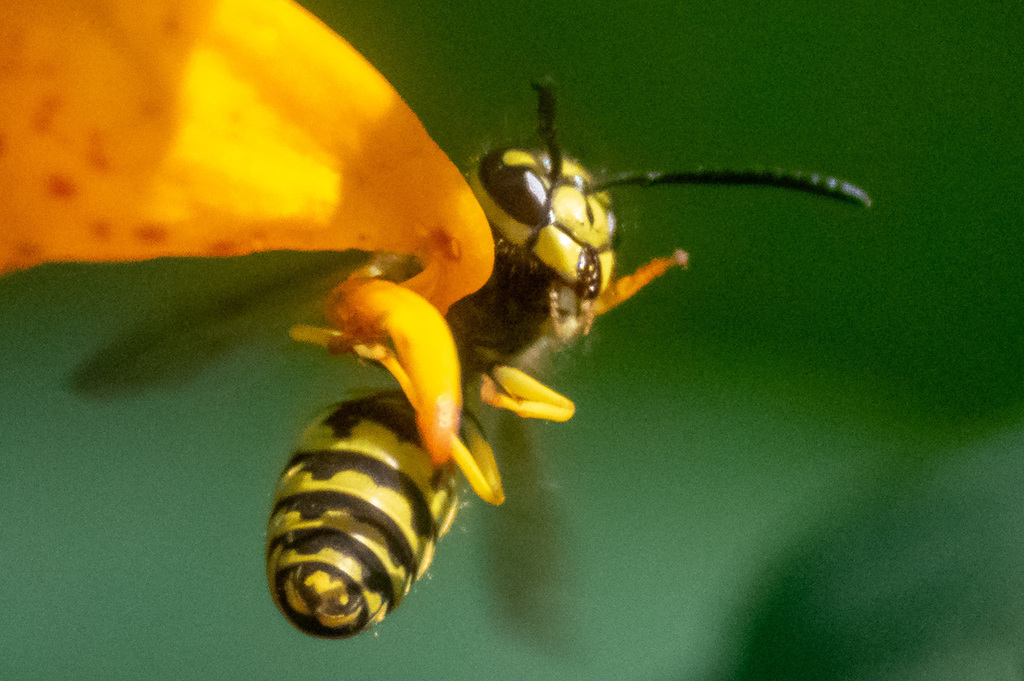
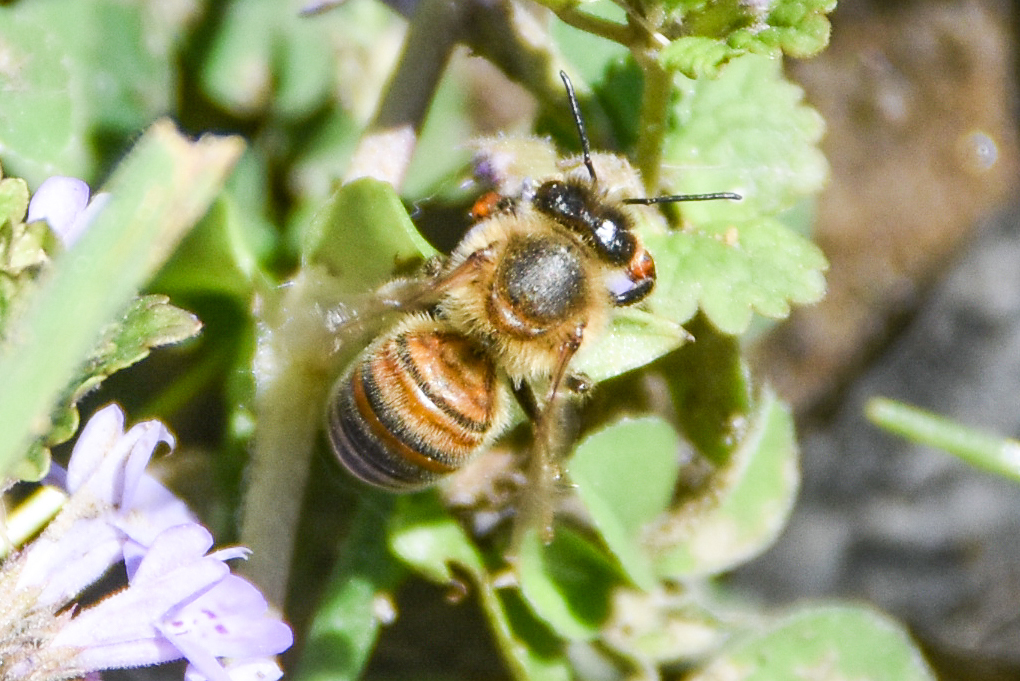
First aid is the same for wasp, hornet and bee stings. Knowing which insect it was helps if you see a doctor or allergist. See bee sting vs. wasp sting and wasp vs. bee.
Children and pets
- Children: the same first aid applies. Ask a pharmacist or doctor before giving any medicine, and watch a child closely for the first hour. Stings in the mouth, many stings, or any trouble breathing need emergency care.
- Dogs and cats: pets are often stung on the face or paws, sometimes in the mouth after snapping at a wasp. Call your veterinarian, and go to an emergency vet for facial swelling, trouble breathing, collapse or many stings. Do not give human medicines without a vet’s advice. More: dog stung by a wasp.
What not to do
- Do not squeeze a bee stinger out with your fingers.
- Do not cut the skin or try to suck out venom.
- Do not wait to see if breathing problems or throat swelling get better on their own.
- Home remedies such as baking soda paste, vinegar or toothpaste are popular, but there is little evidence they do more than a cold pack.
Avoiding the next sting
Most stings happen near a nest or around food. Do not swat at wasps, look before you drink from a can outdoors, and keep food covered in late summer. If a nest near your home is the source, decide what to do about it: should you remove a wasp nest, keep wasps away from your patio.
Common questions
How long does a wasp sting hurt?
The sharp pain usually fades within minutes to a few hours. Swelling and itching can last a day or two, and longer with a large local reaction.
Do wasps leave a stinger?
Usually not. A wasp’s stinger is smooth, so it can pull it out and sting again. A honey bee’s stinger is barbed and stays in the skin.
Can you be allergic to wasp stings without knowing it?
Yes. A first sting may cause only a normal reaction, and a later one a stronger reaction. That is why any symptoms away from the sting site need emergency care.
Is a swollen arm after a sting an allergy?
Swelling that spreads from the sting but stays in that area is usually a large local reaction, not anaphylaxis. Symptoms elsewhere in the body, such as hives, breathing trouble or dizziness, are an emergency.
Your next step
- All sting and safety guides: stings and safety.
- Nest near your home: the wasp nest decision guide.
Related guides
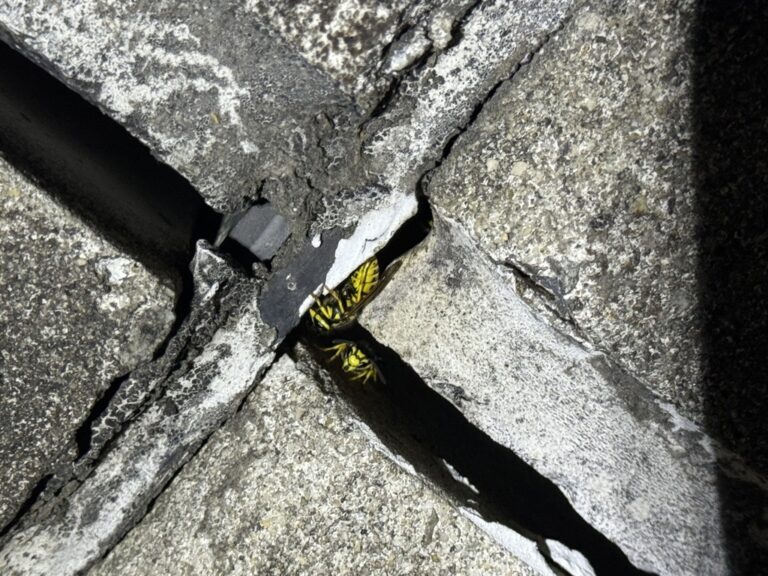 When to Call a Professional for WaspsPlenty of wasp nests can be left alone, and some small ones can be handled yourself. But a few…
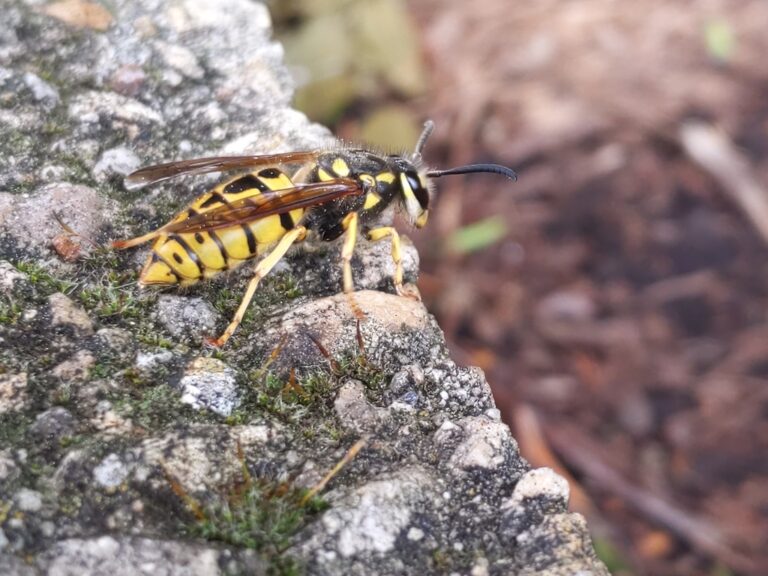 Wasp Sting Allergy: Signs, Emergency Steps and Long-Term ProtectionFor most people a wasp sting is painful but harmless. For a small share of people, venom triggers…What Not to Do With a Wasp NestMost bad stings around wasp nests come from a few predictable mistakes: disturbing the nest in the…
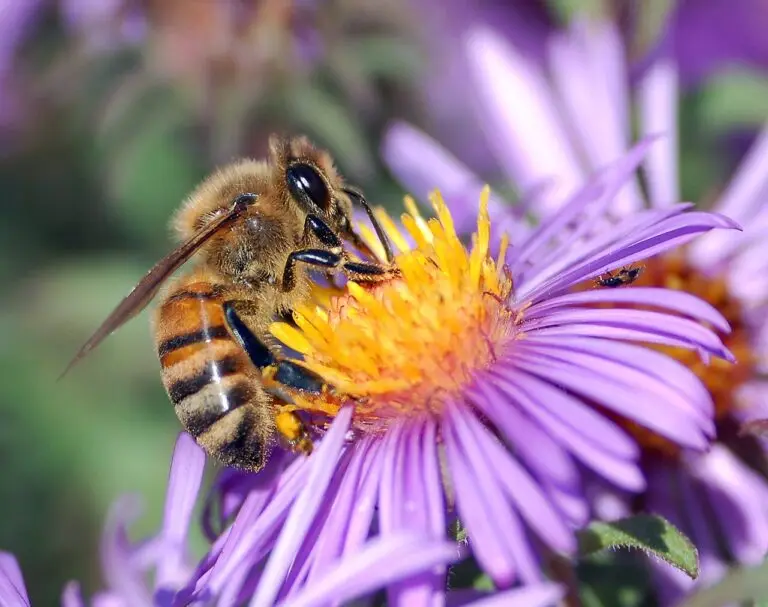 Bee Sting vs. Wasp Sting: How to TellStinger left in the skin? Probably a honey bee. How to tell, and what to do first…
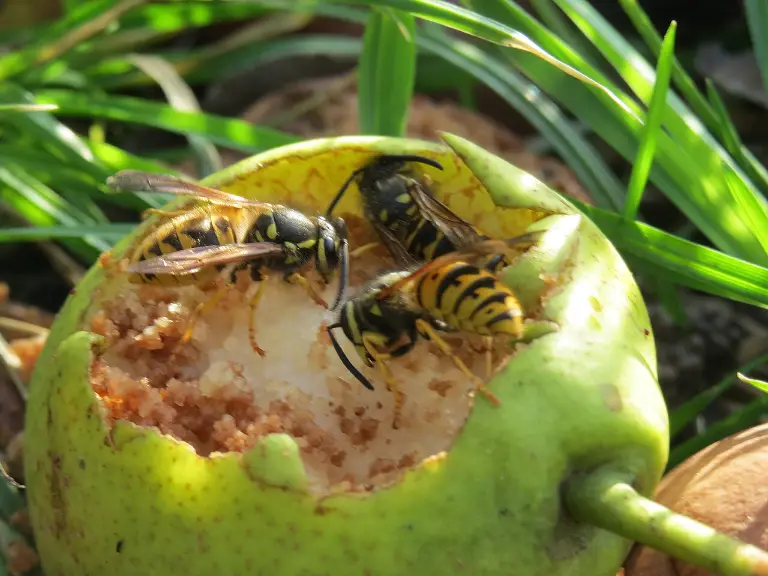 Dog stung by a waspWhat to do first, and the signs that mean a vet visit now.
Sources
- ‘Bee’ prepared for bee and wasp stings, Adela Taylor, M.D., Mayo Clinic Health System, 2023.
- Insect bites and stings: First aid, Mayo Clinic.
- Allergies to Insect Stings, Healthwise via University of Michigan Health, 2023.
Photos on this page are shared by their authors on iNaturalist under Creative Commons licenses, credited under each image. For who writes these guides and how we stay independent, see About.