
Wasp sting swelling: what is normal and when to worry
Updated
Call 911 now if
after a sting the person has trouble breathing, wheezing or a hoarse voice; swelling of the lips, tongue or throat; trouble swallowing; hives or itching spreading beyond the sting; dizziness or fainting. This usually starts within minutes to an hour. If they have a prescribed epinephrine auto-injector, use it right away as directed and still call 911.
Short answer
Swelling that grows for a day or two after a wasp sting and then slowly fades is common. A small red welt usually settles within a few days. A large local reaction, where a whole hand or forearm swells, can keep growing for 24 to 48 hours and take up to a week to go down. It looks alarming but is not anaphylaxis. Cold packs, raising the limb and an antihistamine taken as the label directs are the usual care. Get help fast for any breathing or throat symptoms, and see a doctor if the swelling keeps spreading, lasts more than three days, or the area turns hot with pus.
Is this the right guide? This page is about swelling in the hours and days after a sting. For what to do in the first minutes, see wasp sting: what to do first. For signs of an allergy and long-term protection, see wasp sting allergy. If a pet was stung, see dog stung by a wasp.
What normal swelling looks like, day by day
Wasp venom irritates the tissue around the sting, so swelling often looks worse the next morning than right after the sting. That alone is not a warning sign.
| Time after the sting | Usual small reaction | Large local reaction |
|---|---|---|
| First hour | Sharp, burning pain, a red welt and a small swollen spot | Same start; swelling spreads further than usual |
| Day 1–2 | Pain fades within hours; itching and a little swelling remain | Swelling keeps growing and can reach 4 inches (10 cm) or more, sometimes a whole hand or forearm |
| Day 3–7 | Mostly gone; a faint mark or itch may linger | Slowly shrinking; can take up to a week to settle |
Large local reaction: big, but local
The most alarming-looking normal reaction to a sting is a large local reaction: redness and swelling that spread well beyond the sting, peak a day or two later and fade over about a week. The key word is local. The swelling stays connected to the sting site, and the person has no hives elsewhere, no breathing trouble and no dizziness.
A large local reaction is worth mentioning to your doctor. Ask whether you need a plan for future stings or a visit to an allergist, especially if every sting reacts this way.
How to bring the swelling down
- Take off rings, watches and tight bracelets on a stung hand or arm right away, before it swells.
- Wash the spot gently with soap and water.
- Cool it: an ice pack wrapped in a cloth, or a cloth soaked in cold water, for up to 20 minutes at a time. Repeat during the first day.
- Raise it: keep a stung hand, arm, foot or leg above heart level when you can, for example on a pillow.
- Calm the itch: an over-the-counter oral antihistamine or hydrocortisone cream can help. Follow the label, and ask a pharmacist first for children, pregnancy or other medicines.
- Do not scratch and do not break any blisters; broken skin can get infected.
Hand, foot, face: why location matters
- Hand or finger: swelling often spreads over the back of the hand because the skin there is loose. Remove rings early; if a ring is already tight, get help to remove it.
- Foot or ankle: swelling collects lower when you stand; rest with the foot up.
- Face or eyelid: eyelid swelling can close the eye for a day and look dramatic. Get same-day medical advice for stings near the eye.
- Mouth or throat: treat as urgent. Swelling inside the mouth can affect breathing, so call 911 if breathing or swallowing changes.
When to see a doctor
- The swelling keeps spreading after the second day instead of settling.
- Symptoms last longer than three days.
- The area becomes hot, more painful, oozes pus or shows red streaks: possible infection.
- The sting was near the eye, in the mouth or throat, or there were many stings.
- You had a serious reaction to a sting before.
Not sure which insect it was? See bee sting vs. wasp sting.
Common questions
How long does wasp sting swelling last?
A usual small reaction settles within a few days. A large local reaction can grow for one to two days and take up to about a week to go away.
Why is the swelling worse the day after the sting?
The body keeps reacting to the venom for a day or two, so swelling often peaks on the second day. If it is still growing after that, or the spot turns hot and painful, see a doctor.
Does a big swollen hand mean I am allergic?
Not on its own. A large local reaction stays around the sting. An allergic emergency involves the whole body: hives elsewhere, throat or breathing symptoms, dizziness. Mention a large reaction to your doctor anyway.
Is it still itchy a week later normal?
Mild itching can last several days while the swelling fades. Growing redness, warmth or pus is not normal and needs a check.
Your next step
- Just stung? Wasp sting first aid.
- Worried about allergy? Signs of a wasp sting allergy.
- All sting guides: Stings & Safety.
More in Stings & Safety
 Wasp Sting: What to Do FirstMost wasp stings hurt sharply for a few minutes and leave a red, swollen, itchy spot that settles…
 Wasp Sting Allergy: Signs, Emergency Steps and Long-Term ProtectionFor most people a wasp sting is painful but harmless. For a small share of people, venom triggers…
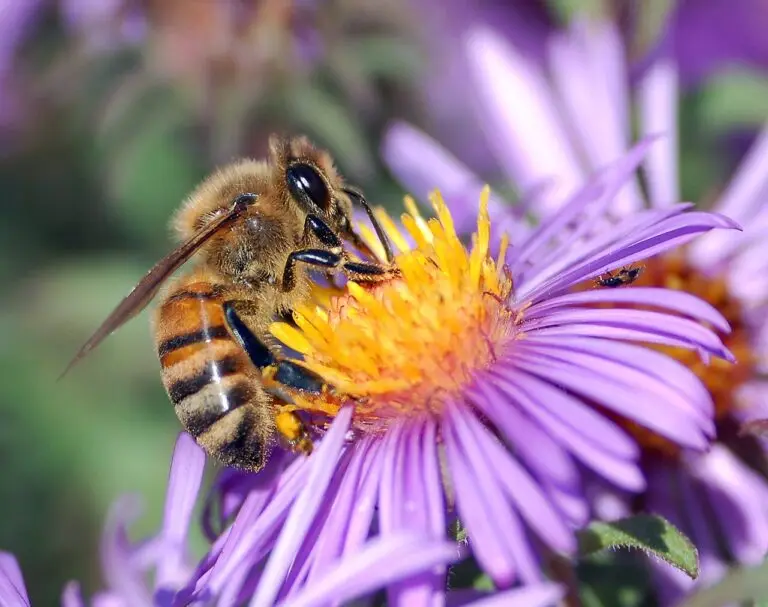 Bee Sting vs. Wasp Sting: How to TellStinger left in the skin? Probably a honey bee. How to tell, and what to do first…
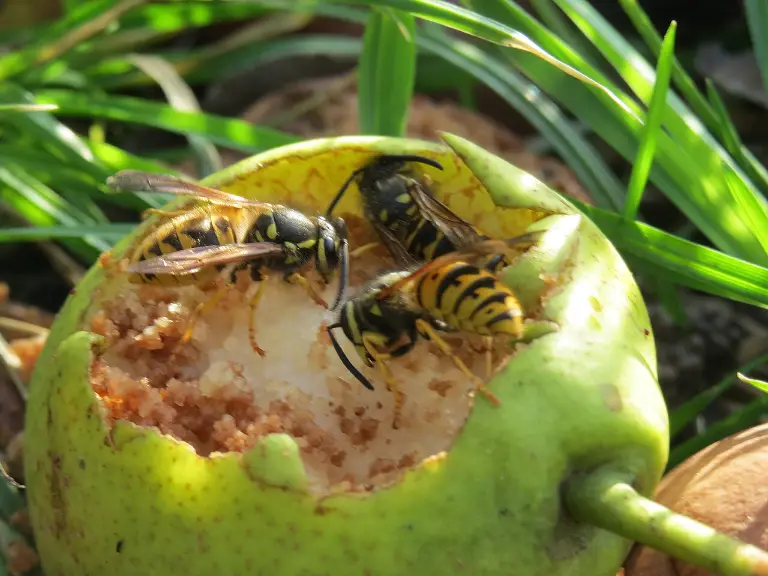 Dog stung by a waspWhat to do first, and the signs that mean a vet visit now.
Sources
- Stinging Insect Allergy, American Academy of Allergy, Asthma & Immunology.
- Bee stings: symptoms and causes, Mayo Clinic.
- Insect bites and stings, NHS.
- Wasp and bee sting allergy, Allergy UK.
This page is general information, not medical advice; it does not replace a doctor. Photos on this page are shared by their authors on Wikimedia Commons under Creative Commons licenses or in the public domain, credited under each image. For who writes these guides and how we stay independent, see About.