
Home Stings & Safety
Wasp stings and safety: first aid, allergies and pets
Updated
Emergency? Call 911
Call 911 right away for trouble breathing, swelling of the lips, tongue, face or throat, spreading hives, dizziness or fainting after a sting, for many stings, or a sting inside the mouth or throat. Use a prescribed epinephrine auto-injector if one is available.
Plain-language guides to what to do when someone is stung, how to recognize a dangerous reaction, and how to keep children and pets safe around wasps and hornets. This is general information, not medical advice.
Stings at a glance
Most wasp stings cause sharp pain, redness and a swollen bump that settles over a day or two. Some people get a larger local reaction, with swelling that spreads around the sting and peaks on the second day; that is uncomfortable but is not the same as an allergic emergency. The danger signs are different: trouble breathing, swelling of the face or throat, hives spreading over the body, dizziness or fainting. Those mean a call to 911, even if the person feels better after a few minutes.
For an ordinary sting, move away from the area first, because a disturbed colony keeps defending. A honey bee leaves its stinger behind; scrape it out quickly. Wasps and hornets do not leave a stinger and can sting more than once. Wash the area and use a cold pack. Our sting first aid guide covers the steps and when to see a doctor, and wasp sting allergy explains how to recognize a serious reaction and why anyone who has had one should talk to a doctor about a prescribed auto-injector.
Children and pets need closer watching: a child may not be able to describe symptoms, and dogs are often stung on the mouth or paw. If you are not sure what stung you, see bee sting vs. wasp sting. These guides are general information, not medical advice; when in doubt, call a doctor or 911.
First aid
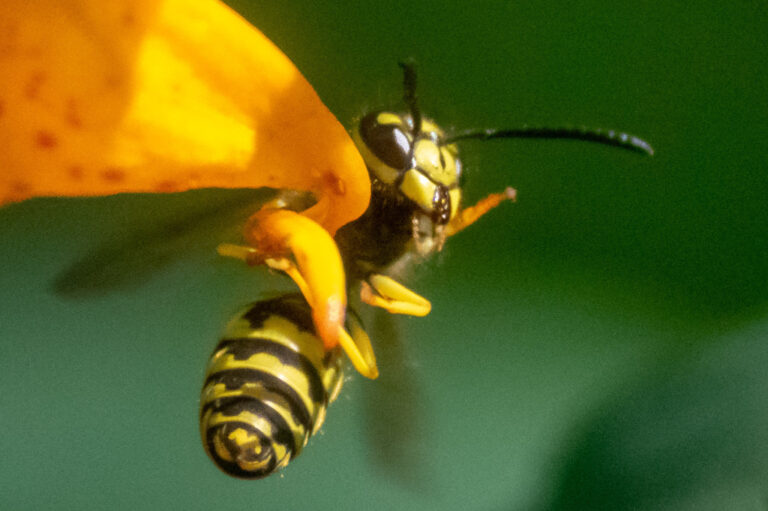
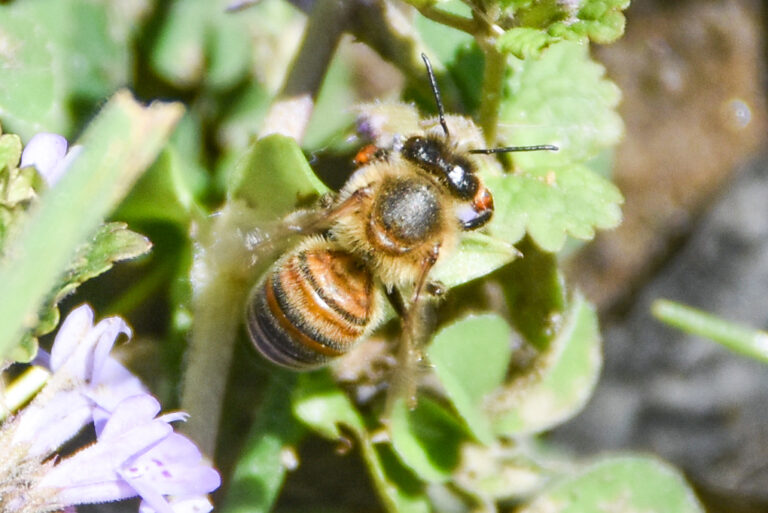
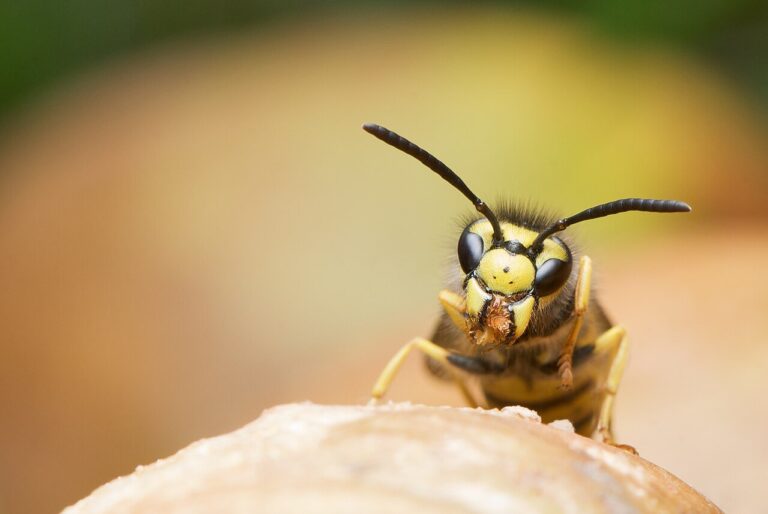
Allergies, children and pets
Avoiding stings around the home
Most stings happen near a nest or around food in late summer. Start with should you remove a wasp nest, how to keep wasps away from your patio and wasps in the house.
Have a nest to deal with?
Take the wasp nest decision guide, read when to call a professional, or see all removal guides.
Photos on these cards are shared by their authors on iNaturalist under Creative Commons licenses and credited in each guide. For who writes these guides and how we stay independent, see About.