
Do wasps return to an old nest? What really happens next spring
Updated
Short answer
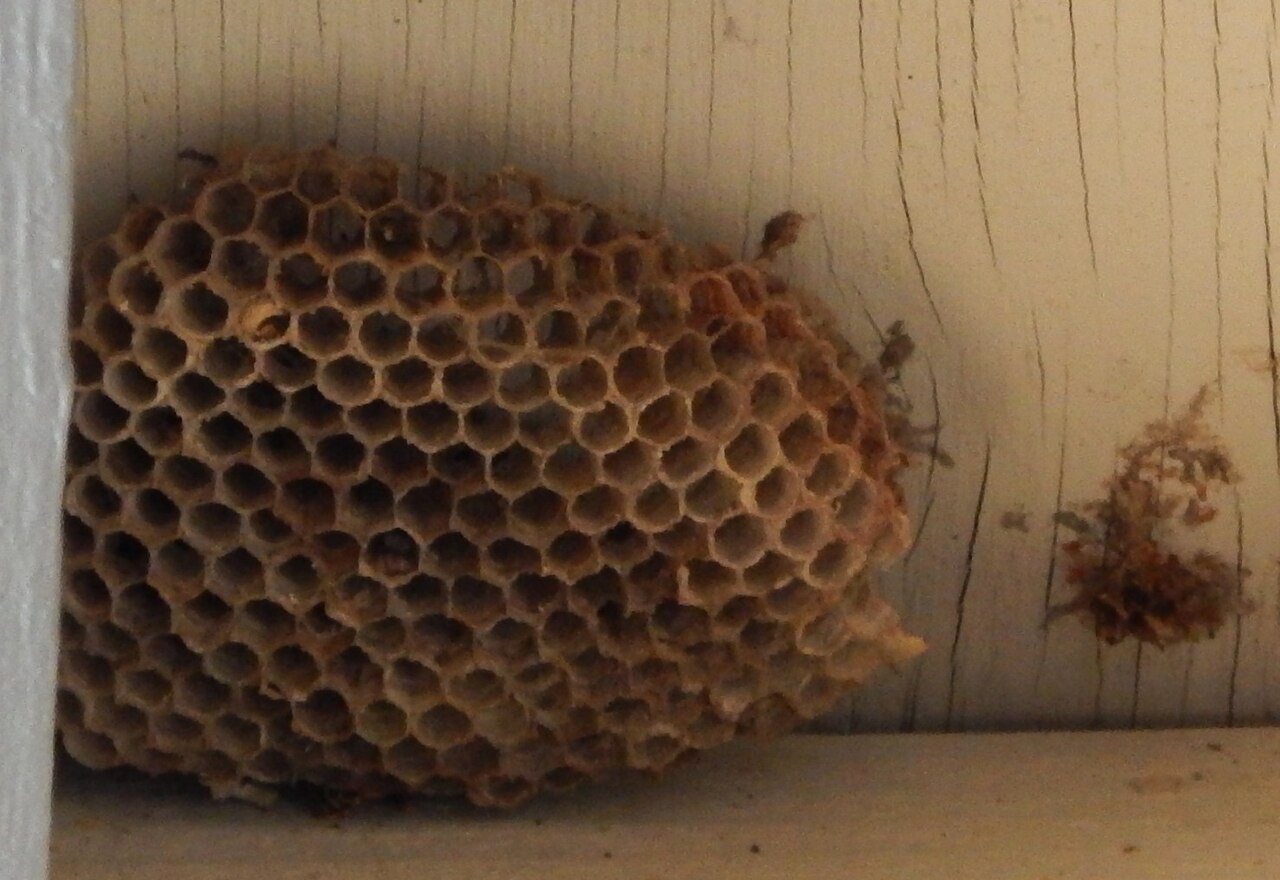
No. Paper wasps, yellowjackets and hornets do not move back into last year's nest. The colony dies in late fall and winter; only newly mated queens survive, and they spend the winter somewhere else, such as under bark, in wood piles, wall voids or attics. In spring each queen starts a brand-new nest. She may pick a similar sheltered spot, sometimes right next to the old one, which is why it can look as if the wasps came back. The one real exception is the Deep South, where a mild winter occasionally lets a yellowjacket colony survive and keep growing.
Why the old nest stays empty
A wasp nest is a one-season home. Through spring and summer, a single queen and then her workers build and expand it. In late summer the colony raises new queens and males. After the first hard frosts, the workers, the males and the old queen die. The new queens mate, leave the nest and look for a protected place to sit out the winter. By the time they become active again in spring, the old paper is weathered and empty, and they build fresh comb instead.
| Wasp | Reuses the old nest? | What to expect in spring |
|---|---|---|
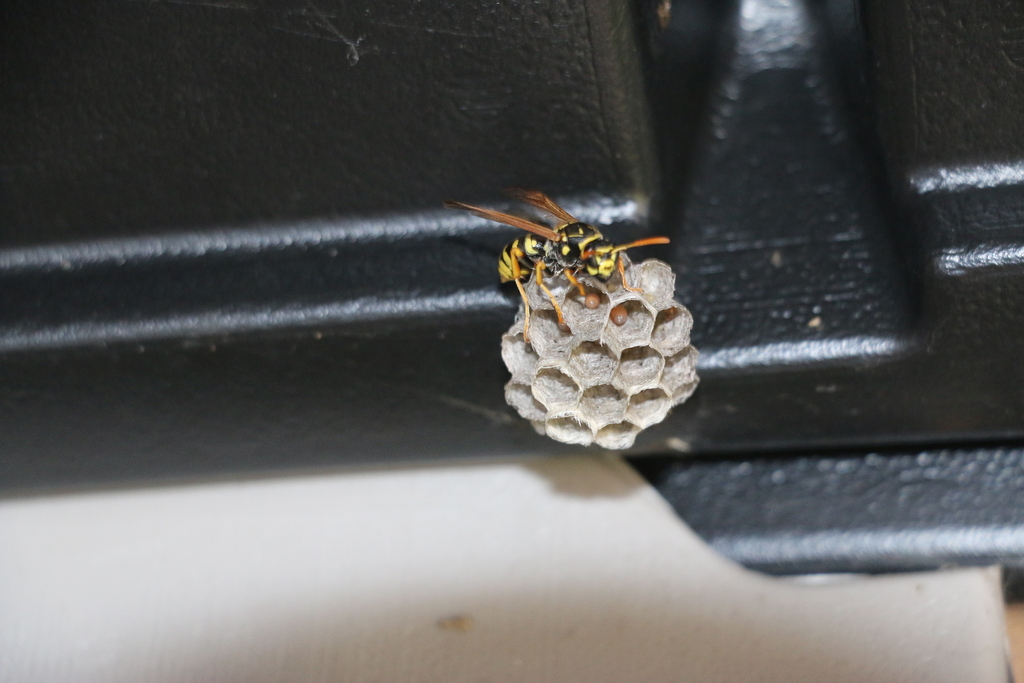
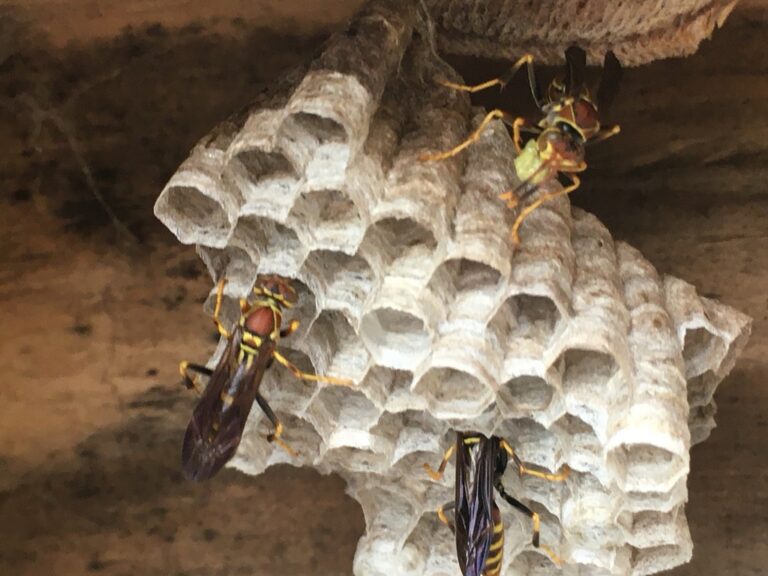
| Paper wasps | No | A new queen may start a small comb close to last year's spot under the same eave or deck rail. |
| Yellowjackets | No | New nests in the ground, walls or other voids; the old cavity is rarely used again. |
| Bald-faced hornets | No | The gray paper ball in a bare tree is empty by winter. New nests are built elsewhere. |
| Mud daubers | Not as a colony | Young wasps develop inside the mud cells over winter and chew out in spring, leaving round holes. See mud dauber nests. |
Why wasps seem to come back to the same spot
If you get a nest under the same eave year after year, it is not the same colony. That spot simply has what a queen wants: shelter from rain, a dry surface to hang from, warmth and nearby food. Extension specialists point out that an old nest is a useful clue for exactly that reason: it marks a place on your house that wasps like. Queens that spent the winter in your attic, walls or a nearby wood pile also start their search close to where they woke up.
Should you take the old nest down?
You do not have to, but it helps. Removing an old nest makes it easy to spot a new one starting in spring, and it removes dead larvae that can attract other pests. First make sure it really is empty: after several hard frosts, watch it for 10 to 15 minutes on a warm afternoon and look for any wasps coming or going. Our guide to checking whether a nest is active explains what to look for. Then wear gloves, scrape the nest into a bag and throw it out. Hanging an empty nest back up as a decoy is not a proven way to keep wasps away.
How to stop a new nest in the same place
- Seal gaps after the colony is dead. Close cracks in siding, gaps around soffits, pipes and vents with caulk or foam once there are no wasps using them. Never seal an active nest in.
- Screen vents. Repair torn screens on attic and soffit vents before late summer, when queens look for winter shelter.
- Check the old spots in spring. In April and May, look under eaves, deck rails and porch ceilings every week or two. A walnut-size nest with one queen is far easier to remove than a summer colony; see how to remove a paper wasp nest.
- Follow a year-round plan. Our guide to preventing wasp nests lists what to do each season.
The exception: perennial yellowjacket nests in the South
In parts of the Deep South, a mild winter can let some workers survive and the colony keep going into a second year. These perennial or "super" nests can grow to many times normal size and hold tens of thousands of yellowjackets. Alabama recorded about 90 of them in 2006 and saw another wave in 2019. They are rare, but if you live in the Gulf states and see steady wasp traffic at a nest in winter, treat it as active and call a professional. Do not approach it.
What about wasps hovering where you just removed a nest?
If a nest is removed in summer, workers that were out foraging at the time come back to the spot and may fly around it for a day or so. They have no nest to return to and usually disappear quickly. This is not the colony moving back in. Keep people away from the area for a day, and do not swat at them. Timing matters here, too; see the best time to remove a wasp nest.
If someone is stung
Trouble breathing, throat or tongue swelling, dizziness or hives spreading over the body after a sting: call 911.
For an ordinary sting, see what to do first after a sting.
Common questions
Will wasps use the same hole in the ground again?
Rarely. Yellowjacket queens usually start a new nest in a fresh cavity, often an old rodent burrow. The old hole may collapse over winter. If you see busy traffic at the same hole next summer, it is a new colony; see yellowjacket ground nests.
Does an old nest attract new wasps?
Not by itself, as far as studies show. The location is what attracts them. Removing the nest and fixing the gaps or sheltered corners that made the spot appealing does more than leaving the nest up or taking it down alone.
Is it safe to knock down an old nest in winter?
In most of the country, yes, once there have been several hard frosts and you see no activity on a warm day. In the South, check first; colonies can stay active much longer.
Your next step
- All prevention guides: wasp prevention.
- Not sure what to do: the wasp nest decision guide.
Related guides
 How to Keep Wasps Away from Your PatioIn late summer, a burger or a soda on the deck can draw yellowjackets within minutes. They are not…
 How to Prevent Wasps from Building NestsThe easiest wasp nest to deal with is the one that never gets built. Every nest around your house…
 Best Wasp and Hornet Sprays: How to ChooseStore shelves are full of cans that promise to kill wasps from 20 feet away. Most of them work on…
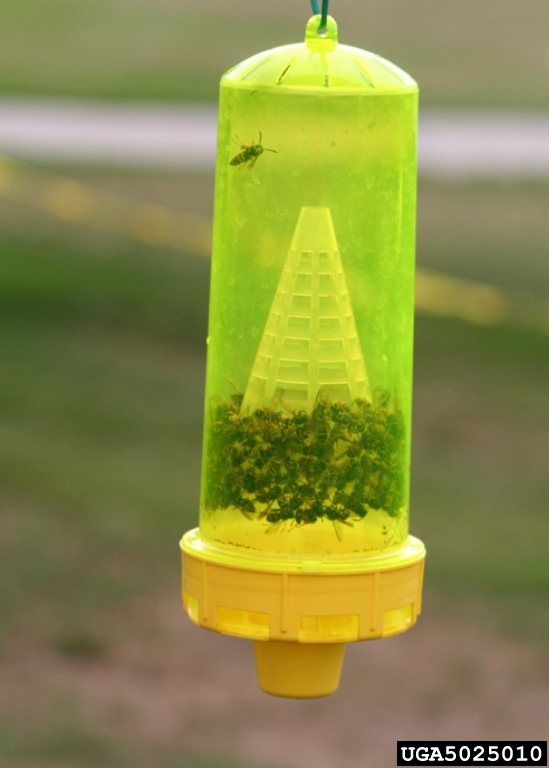 Do Wasp Traps Work?Partly. Lure traps catch foraging yellowjackets and can cut down how many show up around a patio or…
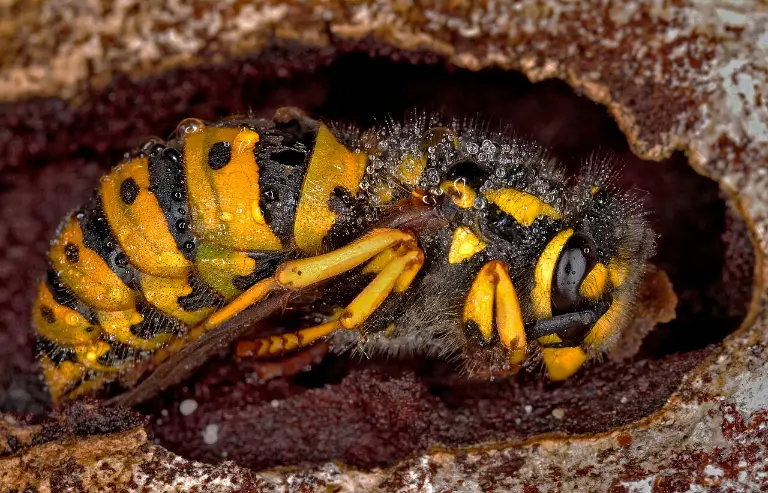 Where Do Wasps Go in Winter?What dies with the first hard freezes, where the queens hide, and why the old nest is not reused.
Sources
- Do paper wasps reuse nests? (Ask Extension), Colorado, October 2023.
- Wasps nesting around the house (Ask Extension), University of Maryland Extension, Home and Garden Information Center, April 2024.
- Hornets and Yellowjackets, Vespula and Dolichovespula spp. (EENY-081), E. E. Grissell, University of Florida IFAS Featured Creatures, 1999.
- Controlling Paper Wasps in and around Structures, NC State Extension, 2018.
- Large yellow jacket nests spotted in Alabama, KAIT 8, June 2019, with Charles Ray, Alabama Cooperative Extension System.
Photos on this page are shared by their authors on Wikimedia Commons and iNaturalist under Creative Commons licenses, credited under each image. For who writes these guides and how we stay independent, see About.