
Questions to ask a wasp removal company before you book
Updated
Short answer
Before you hire anyone to remove a wasp or hornet nest, ask five things: Are you licensed for this work in my state? Are you insured? What exactly will you do, with which product, and where? What does the price include, and is a return visit covered if the wasps are still active? And what do I need to do to keep children and pets safe? Get the answers in writing, compare two or three companies, and judge value, not just the lowest price.
Is this the right guide? If you are still deciding whether to hire a pro at all, start with when to call a professional or DIY vs. professional removal. For typical prices, see wasp nest removal cost and hornet nest removal cost.
Before you call: have these ready
- What you see: a visible paper nest, or wasps going in and out of a hole in the ground, a wall, a vent or the roofline. A photo taken from a safe distance helps.
- Where it is and how high: under the eaves, in a tree, behind siding, in the attic or chimney.
- How busy it is: a few wasps or a steady stream.
- Who is at risk: anyone allergic to stings, young children, pets that go outside.
A company that quotes without asking any of this is guessing. A good technician wants to know which wasp it is and where the nest is before deciding how to treat it.
The questions to ask
1. Are you licensed for this work in my state?
Most states license pest control businesses and certify the people who apply pesticides. Ask for the license number and check that it is current with your state pesticide regulatory agency (usually the state department of agriculture). Also ask whether the technician who comes to your house is certified or works under someone who is.
2. Are you insured?
Ask for proof of general liability insurance (it covers damage to your home) and workers’ compensation (it covers a worker who falls from a ladder on your property). Not every state requires insurance, which is exactly why you should ask.
3. What kind of wasp is it, and how will you treat it?
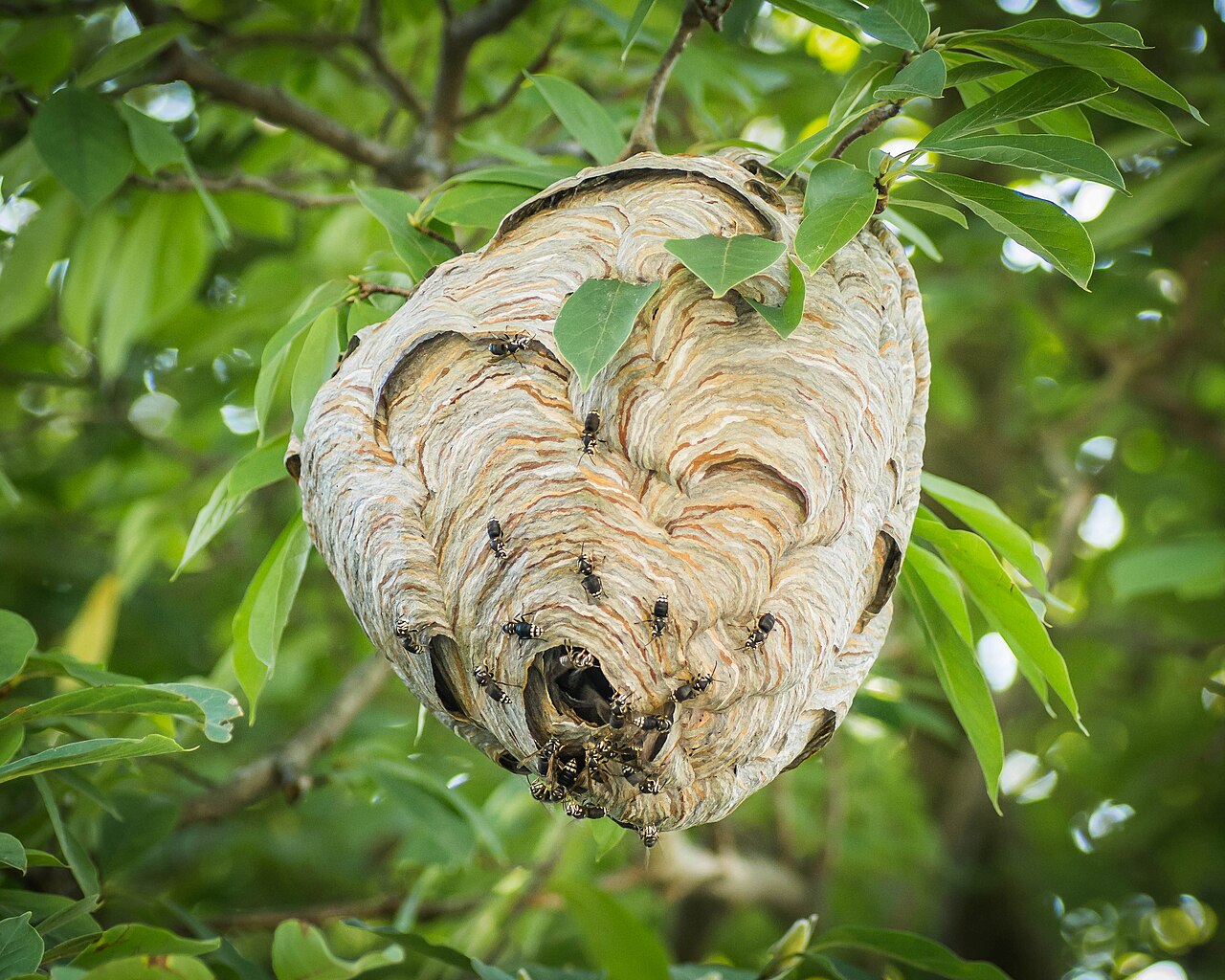
The answer should match the nest: an open paper wasp nest under the eaves, a ball-shaped hornet nest in a tree, a yellowjacket nest in the ground or a nest inside a wall are handled differently. Ask:
- Which product will you use, and where? A spray at the nest, a dust in the entrance hole, or both?
- When will you treat? Many pros treat in the evening, when the wasps are inside.
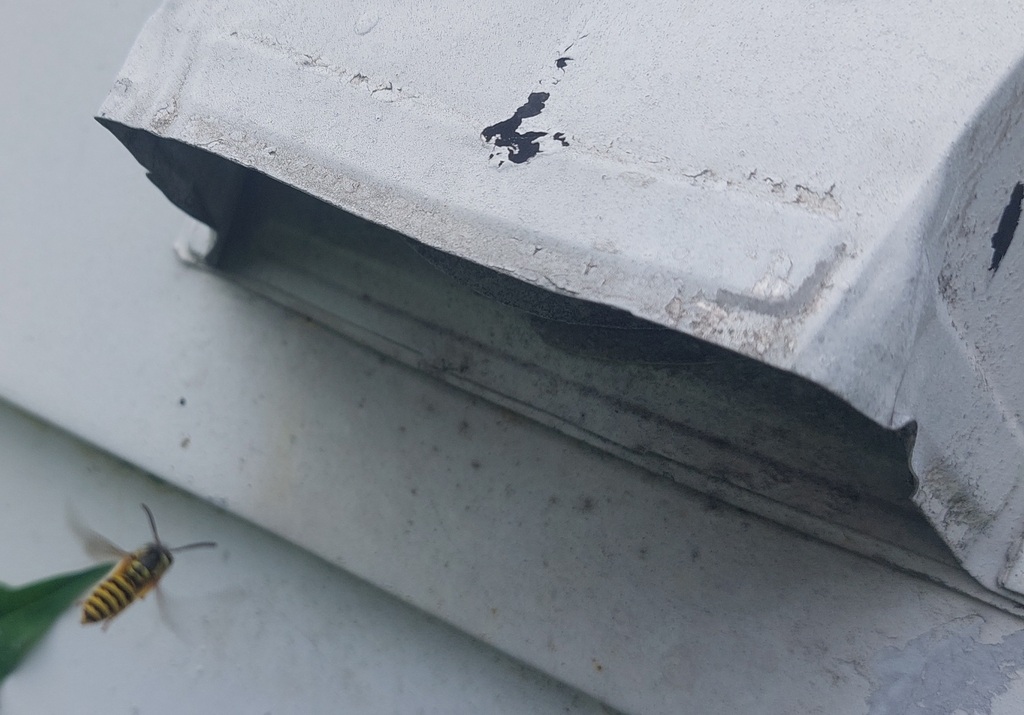
- For a nest in a wall, vent or ground hole: will you leave the entrance open so the wasps carry the treatment in, rather than sealing them inside where they may chew through into the house? See wasp nest in a wall.
- Can I see the product label or Safety Data Sheet?
4. What does the price include?
- Is it a flat fee per nest, or does it change with height, access or the number of nests?
- Is there an extra charge for a ladder or lift, after-hours or same-day service, or a nest inside a wall or attic?
- Will you remove the nest after treatment, or leave it? (Leaving an inactive nest in a wall is normal; a hanging nest is often taken down.)
- Is the quote in writing, and does it include tax and any trip fee?
5. What happens if the wasps are still active?
Some activity for a day or two after treatment is normal. Ask how long to wait, and whether a return visit is included if the nest is still active after that. Get the terms of any guarantee in writing, including what you need to do to keep it valid.
6. What do I need to do to keep my family and pets safe?
- How long should people and pets stay away from the treated area?
- Should windows be closed, or outdoor toys, bowls and furniture moved?
- Is there a lower-risk option that will still solve the problem?
If anyone in your home is allergic to stings, say so on the first call. Allergy is one of the main reasons to hire a professional in the first place; see wasp sting allergy.
7. Is this a one-time visit or a service plan?
Many companies offer quarterly or seasonal plans. A plan can make sense if you get several nests every summer, but you do not need a contract to remove one nest. Ask whether the price is the same without a plan, how a plan can be canceled and what it costs over a full year.
Red flags
- No license number, or reluctance to show proof of insurance.
- A firm price before asking what kind of nest you have or where it is.
- Pressure to sign a long-term contract today to get the one-time job done.
- Advice that contradicts the product label, or plans to seal an active nest inside a wall.
- Burning, gasoline or other shortcuts; see what not to do with a wasp nest.
After the visit
Write down the date, the technician’s name, the product names and where they were applied. Watch the nest from a distance for a day or two, keep children and pets away from treated spots, and call back if activity does not drop. If something seems wrong with how a pesticide was applied, contact the company first and then your state pesticide agency.
Common questions
How many quotes should I get?
Two or three is usually enough. Compare what each price includes, not only the total. A much lower bid deserves a closer look.
Is the cheapest company the best choice?
Not necessarily. A low price that does not include a return visit, or a technician without the right license, can cost more in the end. For typical price ranges, see wasp removal cost guides.
Should I hire a beekeeper instead?
Only for honey bees. Beekeepers often collect bee swarms, but they generally do not remove wasp or hornet nests. If you are not sure which insect you have, see wasp vs. bee.
Does homeowners insurance pay for wasp removal?
Usually not; most policies treat insects as maintenance. Damage questions are covered in homeowners insurance and wasp damage.
Your next step
- See typical prices: wasp nest removal cost and hornet nest removal cost.
- Still deciding: should you remove the nest or leave it?
- All cost guides: wasp removal costs.
More in Costs
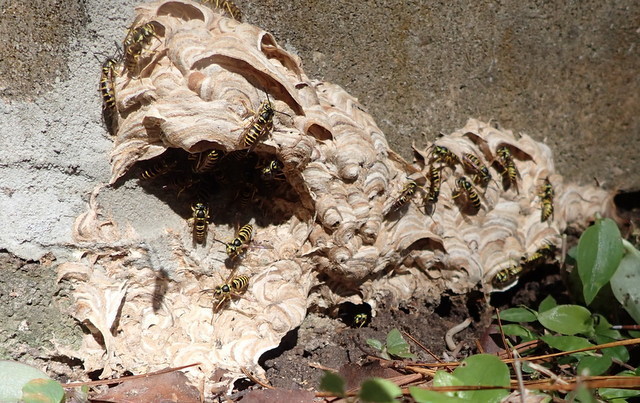 Wasp nest removal costTypical prices by wasp type and nest location, and what adds to the bill.
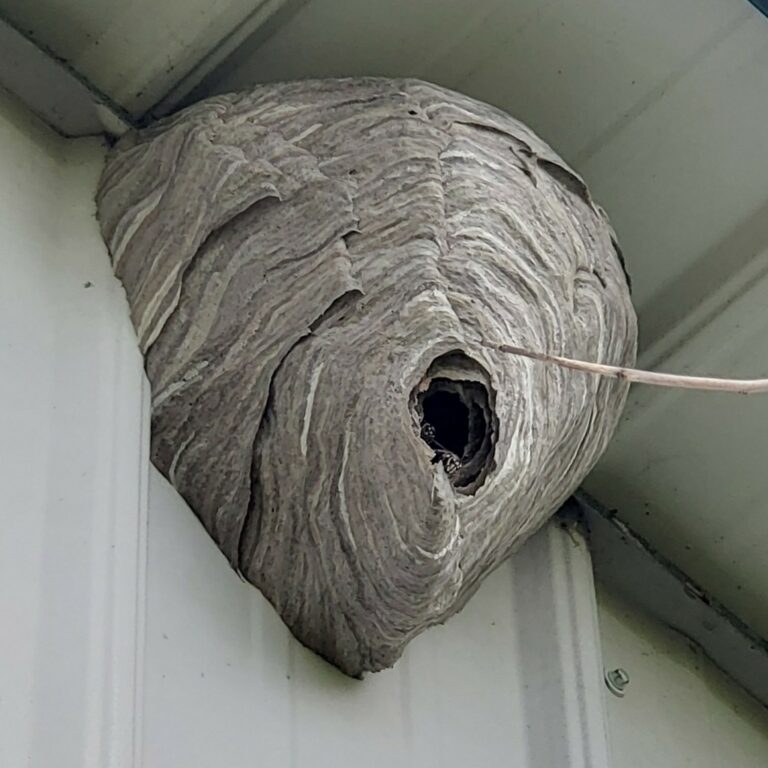 Hornet nest removal costWhat bald-faced and European hornet nests cost to remove.
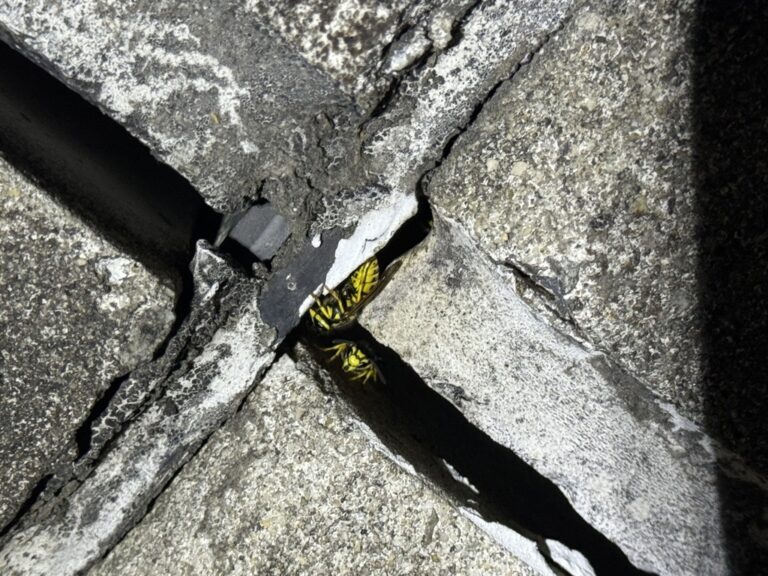 When to call a professionalThe situations where no product is the right answer.
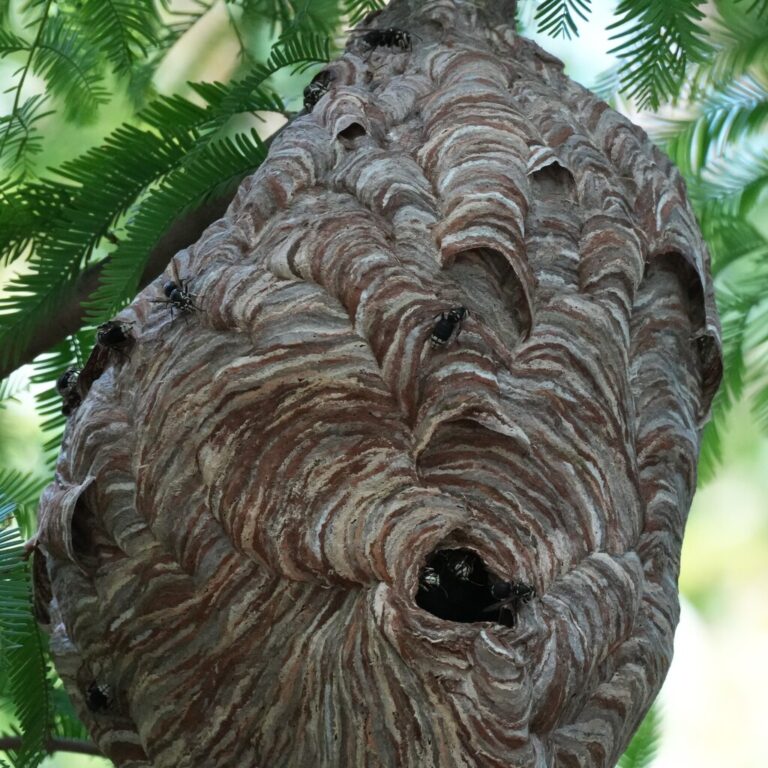 DIY vs. professional removalCost, safety and results compared, honestly.
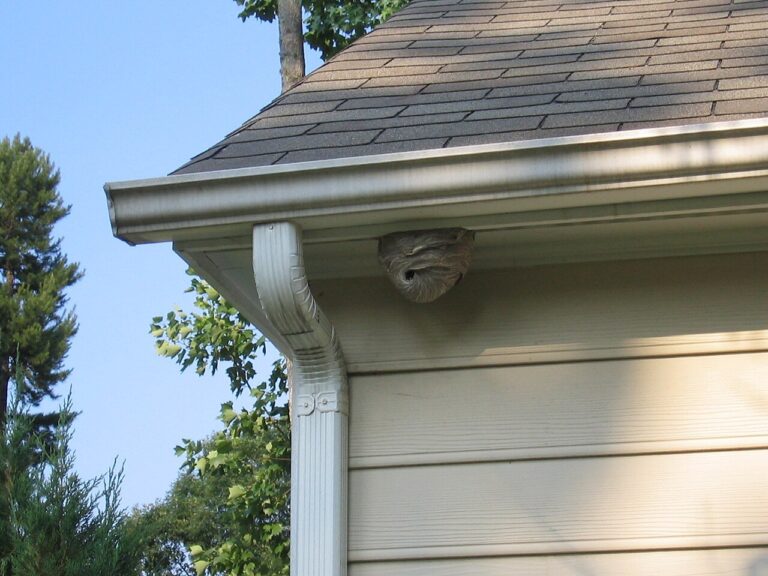 Does Insurance Cover Wasp Damage?Most homeowners policies exclude insect damage and nest removal. What may still be covered and what to ask your insurer…
Sources
- Choosing a Pest Control Company, U.S. Environmental Protection Agency.
- Choosing a Pest Control Company, National Pesticide Information Center, Oregon State University.
- Hiring a pest control professional, University of Minnesota Extension, reviewed 2022.
- Pest Notes: Hiring a Pest Control Company (Publication 74125), UC Statewide IPM Program, revised August 2023.
We do not recommend specific companies and do not earn money from referrals. Photos on this page are shared by their authors under Creative Commons licenses or in the public domain, credited under each image. For who writes these guides, see About.