
Where do wasps go in winter? What happens to the nest and the queens
Updated
Short answer
Most wasps do not survive the winter. In yellowjackets, paper wasps and hornets, the workers, the males and the old queen die once hard freezes arrive and food runs out. Only the young, mated queens live through winter, tucked away in sheltered spots such as under loose bark, in rotting stumps, under siding or in an attic. The old nest is almost never used again. In spring each surviving queen starts a brand-new nest. The main exception is the Deep South, where some southern yellowjacket nests can keep going through a mild winter.
Is this the right guide? If you are finding wasps inside your home right now, see wasps in the house. If you want to know whether last summer’s nest is a problem, see do wasps return to an old nest? Live in Texas, where some yellowjacket nests survive mild winters? See wasps in Texas.
The wasp year at a glance
| Season | What happens | What you notice |
|---|---|---|
| Spring | A queen that survived winter wakes up and starts a small nest alone. | A single large wasp checking eaves, sheds and holes. |
| Early summer | Her first workers hatch and take over building and foraging. | A nest that grows week by week. |
| Late summer to fall | The nest is at its biggest; it raises new queens and males, and they mate. | Most wasps around food and trash; most stings. |
| First hard freezes | Workers, males and the old queen die. | Activity stops; the nest goes quiet. |
| Winter | Only the new queens are alive, inactive in sheltered spots. | The odd slow wasp indoors on a warm day. |
What dies, and when
A yellowjacket or paper wasp colony lives for one season. Cold and lack of food finish it off. University of Minnesota Extension notes that nests stay active until freezing temperatures, usually in the mid-to-upper 20s °F, kill the old queen and the workers. Nests in a sheltered wall or attic can last a little longer than nests in a tree, but in cold-winter states they still die.
In the warmest parts of the country it is different. Mississippi State University Extension reports that in the southern part of that state a small share of southern yellowjacket nests sometimes survive the winter and keep growing. The same happens in Florida, which is why nests there can get very large.
Where the queens spend the winter
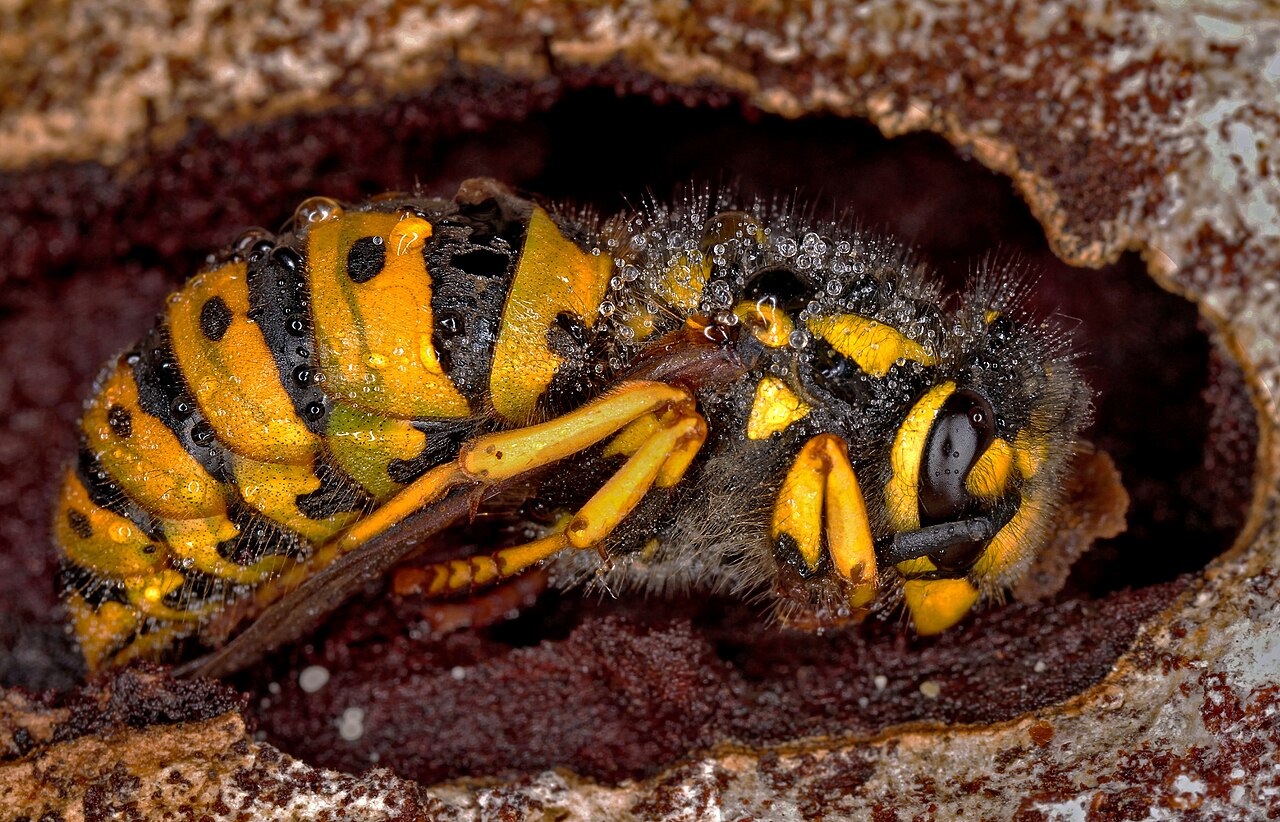
New queens leave the nest in fall, mate and look for a dry, protected place out of the wind. Common spots:
- under loose bark, in hollow logs and rotting stumps;
- in soil cavities and under leaf litter;
- under siding, shingles and window trim;
- in attics, wall voids, sheds and garages.
Yellowjacket queens usually spend the winter alone. Paper wasp queens often gather in small groups. If you find a few of them indoors, they are not coming from an active nest but from a winter shelter in the house. See what to do about wasps in the house.
Does the old nest come back to life?
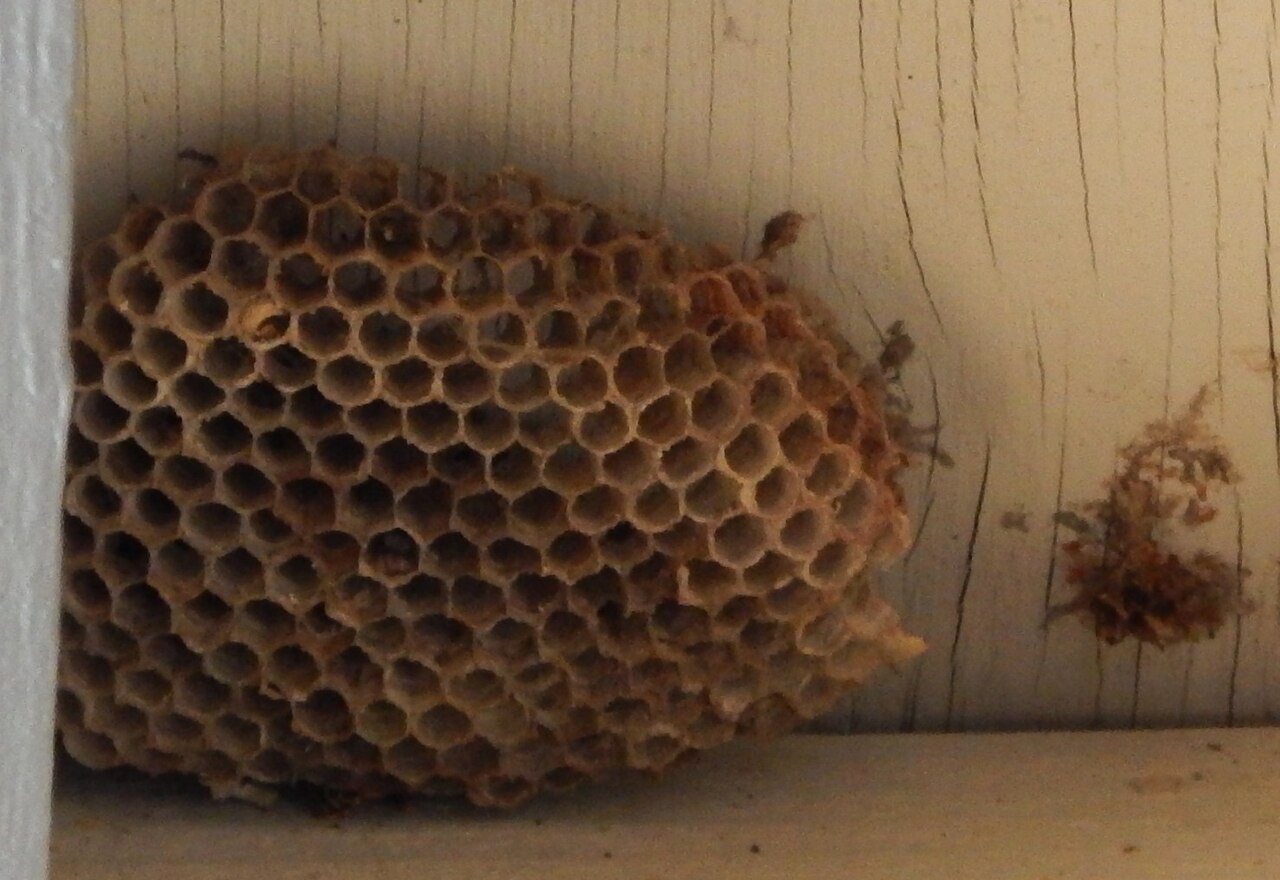
No. A new nest is built from scratch every spring. Extension services describe abandoned nests as falling apart over the winter; once in a while a new queen may settle on or near an old one, and University of Minnesota Extension lists European paper wasps as an exception that can reuse old nests. In practice, the bigger risk is the spot: a sheltered gap that worked for one colony can attract a new queen next year. For details, see do wasps return to an old nest?
What this means for you this winter
- Removing a dead nest is safe once it is truly empty. Check first: how to tell if a nest is active and the best time to remove a nest.
- Seal gaps after the nest is dead, not before. Winter is a good time to fix siding, soffits and vent screens. See how to prevent wasp nests.
- A slow wasp indoors in winter is almost always a queen that woke up in a warm room. Catch it with a cup and take it outside, or remove it.
- Watch in early spring for single large wasps around eaves and sheds; that is when a small new nest is easiest to deal with (spring wasp queens).
Common questions
Do wasps hibernate?
Only the young queens do. They go into a dormant state for the winter and wake up when it warms in spring. Workers and males do not survive.
At what temperature do wasps die?
Cold slows wasps down long before it kills them. A whole nest usually dies after freezing nights in the mid-to-upper 20s °F, and lack of food finishes off the rest. Sheltered queens survive much colder weather.
Can a wasp sting in winter?
Yes, if you grab or squeeze it. Queens found indoors are slow and rarely aggressive, but use a cup or a tissue rather than bare hands.
If I kill queens in winter, will I have fewer nests next year?
A little, near your house, but many queens spend the winter outdoors where you will never find them. Repairing the gaps they use helps more.
Do bees die in winter too?
Not honey bees. A honey bee colony survives the winter by clustering together in the hive. Bumble bees work like wasps: only new queens survive. See bumble bee vs. wasp vs. hornet.
Your next step
- Wasps in your home now: wasps in the house in winter.
- An old nest on the house: will they come back?
- Get ahead of spring: how to prevent wasp nests.
More in Identify
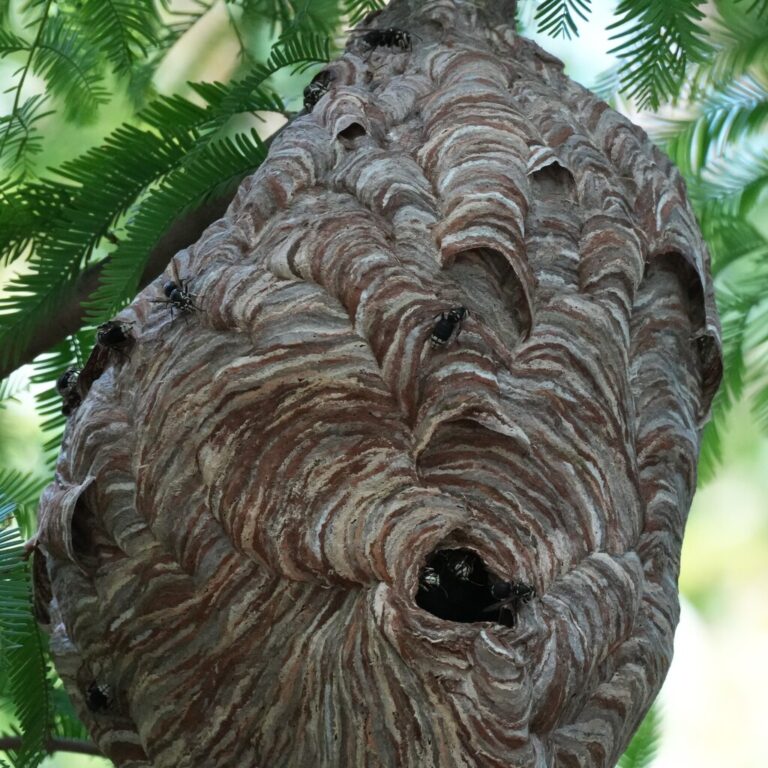 Is a Wasp Nest Active? How to Check SafelyWatch the nest from at least 10 to 20 feet away on a warm, sunny afternoon for 10 to 15 minutes. If…
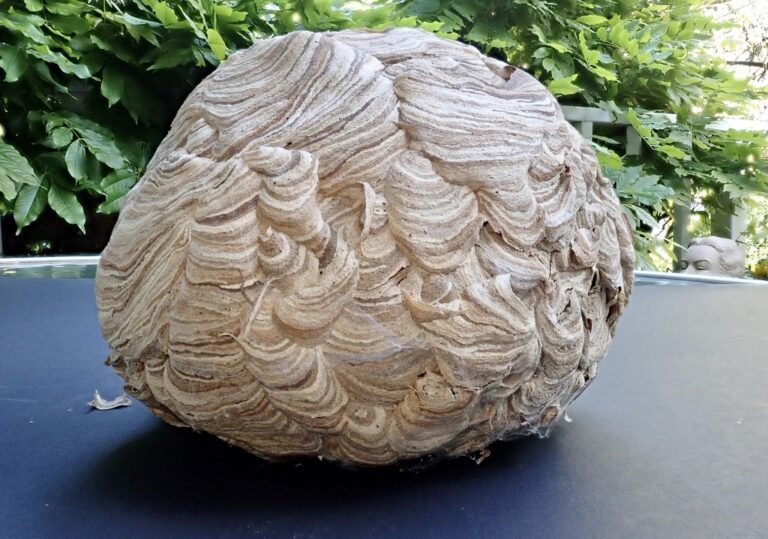 Yellowjacket Nests: Ground, Wall and AtticYellowjackets cause more stings around American homes than any other wasp, and most of those stings…
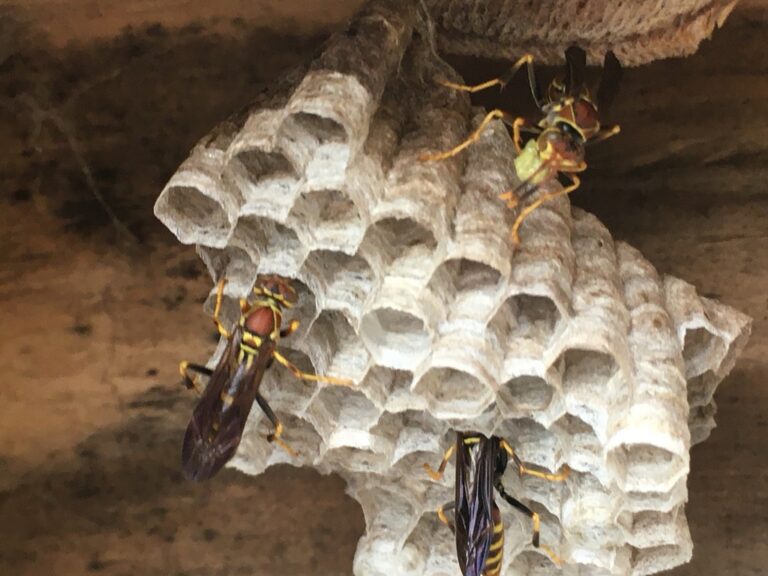 Paper Wasp Nests: Identification and What to DoHow to recognize a paper wasp nest and the wasps that build it, how risky it is, and whether to…
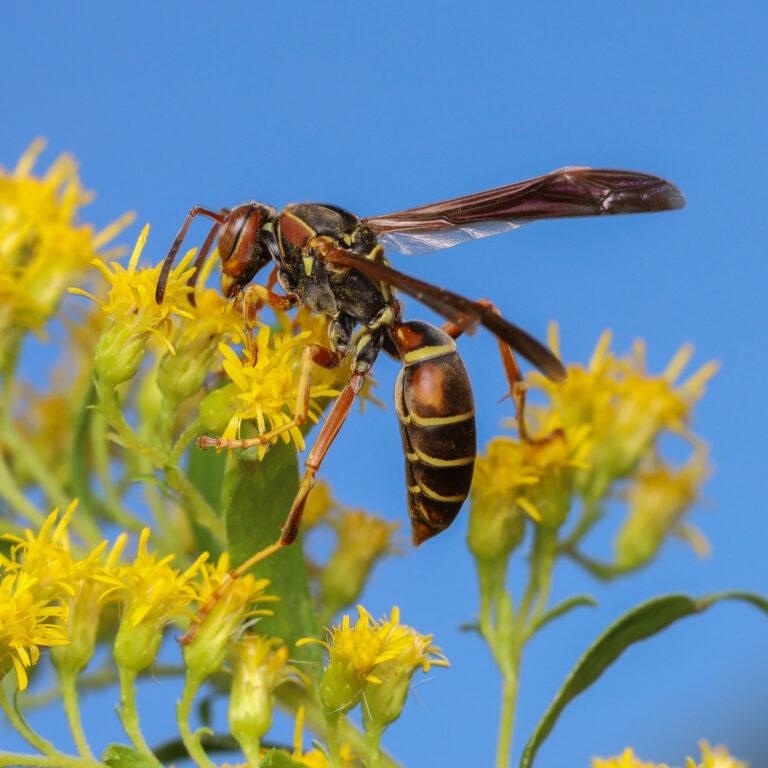 Wasps in the House: Where They Come FromA wasp buzzing against a window is usually nothing more than a lost visitor. A few slow wasps…
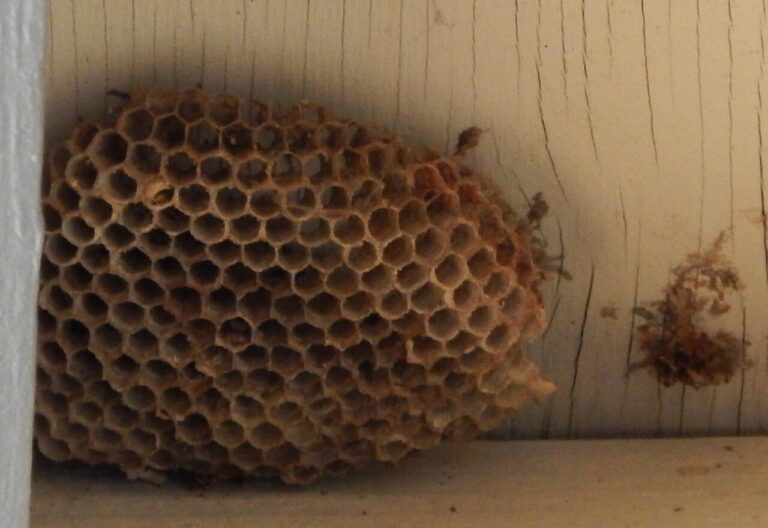 Do Wasps Return to an Old Nest?No. Paper wasps, yellowjackets and hornets do not move back into last year's nest. The colony…
Sources
- Wasps and bees, University of Minnesota Extension.
- Yellowjackets (HYG-2075), Ohio State University Extension.
- Yellowjacket Wasps: Fall’s Busy “Bees”, Iowa State University Extension and Outreach.
- Yellowjackets, UMass Amherst Extension Landscape, Nursery and Urban Forestry Program.
- Southern Yellowjackets, Mississippi State University Extension.
Photos are shared by their authors under Creative Commons licenses, credited under each image. For who writes these guides, see About.