
Wasp sting allergy: signs, emergency steps and long-term protection
Updated
Call 911 now if
after a sting someone has trouble breathing, wheezing, a tight chest or a hoarse voice; swelling of the tongue, lips or throat; hives or itching away from the sting; dizziness, fainting or confusion; or vomiting, cramps or diarrhea. If they have a prescribed epinephrine auto-injector, use it right away as directed, then still call 911. Do not wait to see if it passes.
For most people a wasp sting is painful but harmless. For a small share of people, venom triggers an allergic reaction that can spread through the whole body within minutes. This page explains how to tell an allergic reaction from a normal one, what to do in an emergency, and how an allergist can make the next sting far less dangerous.
This is general information, not medical advice. For first aid after an ordinary sting, see wasp sting: what to do first. If you are unsure, call your doctor or 911.
Signs of an allergic reaction
The key question is where the symptoms are. Pain, redness and swelling at the sting are normal. Symptoms in other parts of the body point to an allergic (systemic) reaction, and the most severe form is anaphylaxis.
| Part of the body | Possible signs |
|---|---|
| Skin | Hives, itching or flushing away from the sting; swelling of the face, eyes or lips |
| Breathing | Wheezing, coughing, shortness of breath, chest tightness, hoarse voice, swollen tongue or throat, trouble swallowing |
| Circulation | Dizziness, fainting, a weak or fast pulse, pale or bluish skin, confusion |
| Stomach | Nausea, vomiting, cramps or diarrhea |
Reactions usually begin within minutes, and almost always within the first hour. A reaction can happen at any age, even in someone who has been stung many times before with only a normal reaction.
What to do in an emergency
- Call 911 or have someone else call while you help.
- Use epinephrine if the person has a prescribed auto-injector or nasal spray. Follow the device instructions. Epinephrine is the first treatment for anaphylaxis; antihistamine pills do not replace it.
- Help them lie down with legs raised, unless they are having trouble breathing (then let them sit up) or are vomiting (then turn them on their side). Do not have them stand or walk.
- Move away from the insects if you can do it quickly and safely, so no one is stung again.
- Watch them closely until help arrives. If symptoms do not improve, a second dose of epinephrine may be needed: about one in three people need one, which is why allergists recommend carrying two devices.
- Go to the emergency room even if they feel better. Epinephrine wears off, and symptoms can come back.
Is a big swollen arm an allergy?
Not usually. A large local reaction is swelling that spreads from the sting over a wide area, sometimes a whole hand, arm or leg. It tends to peak in two to three days and can last a week or more. It is uncomfortable but rarely dangerous, and it is treated with cold packs, raising the limb and over-the-counter remedies.
People who get large local reactions have only a modestly higher chance of a whole-body reaction later: roughly 7% for any systemic reaction and under 3% for anaphylaxis, according to the American Academy of Allergy, Asthma & Immunology. Mention it to your doctor, but it is not the same as anaphylaxis. Swelling of the face or near the eye, or swelling that keeps spreading, still deserves a call to a doctor.
Who is at risk
- Life-threatening sting reactions affect an estimated 3% of adults and 0.4% to 0.8% of children in the U.S. (American College of Allergy, Asthma and Immunology).
- Someone who has had an allergic reaction to a sting has about a 60% chance of a similar or worse reaction if stung again.
- The insects most often involved are yellowjackets, hornets, paper wasps, honey bees and, in the South, fire ants.
- Many stings at once can make anyone seriously ill from the amount of venom, allergy or not, especially children and older adults.
See an allergist after any serious reaction
Anyone who has had symptoms away from the sting, even mild hives, should ask their doctor for a referral to an allergist. Make the appointment even if emergency care went well.
- Testing. An allergist takes a detailed history and uses skin tests (a skin-prick test, then a more sensitive intradermal test if needed) or a blood test for venom antibodies. The size of a test result does not predict how severe a future reaction will be.
- Venom immunotherapy. A series of allergy shots with gradually increasing doses of venom. It offers up to 98% protection against future allergic reactions, according to ACAAI, and usually continues for three to five years. Protection can begin within weeks to months.
- An emergency plan. The allergist decides whether you need to carry epinephrine and shows you how to use it.
Living with a sting allergy
- Carry two epinephrine devices whenever you are outdoors in the warm months, and replace them before they expire.
- Tell people around you. Family, coworkers, coaches and school staff should know about the allergy and where the epinephrine is. A medical ID bracelet or necklace helps if you cannot speak.
- Do not remove a nest yourself. Hire a professional, and stay indoors while the work is done. See when to call a professional and what removal costs.
- Take care with yard work. Yellowjackets nest in the ground and in walls; mowing over a ground nest is a classic way to get stung. Wear shoes, long sleeves and gloves, and walk the lawn first in late summer.
- Outdoors with food, keep food and drinks covered, check cans and straws before you sip, and keep trash lids tight. More: keeping wasps away from your patio.
- Prevent nests near the house in spring, when they are small: how to prevent wasp nests.
Which insect stung you?
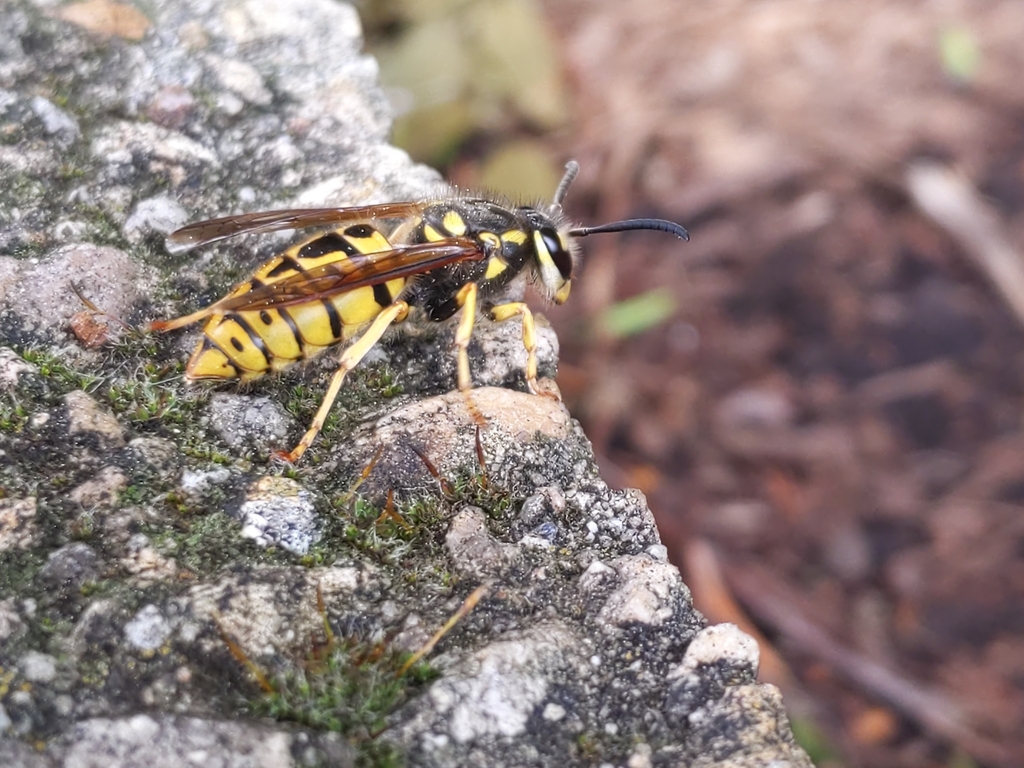
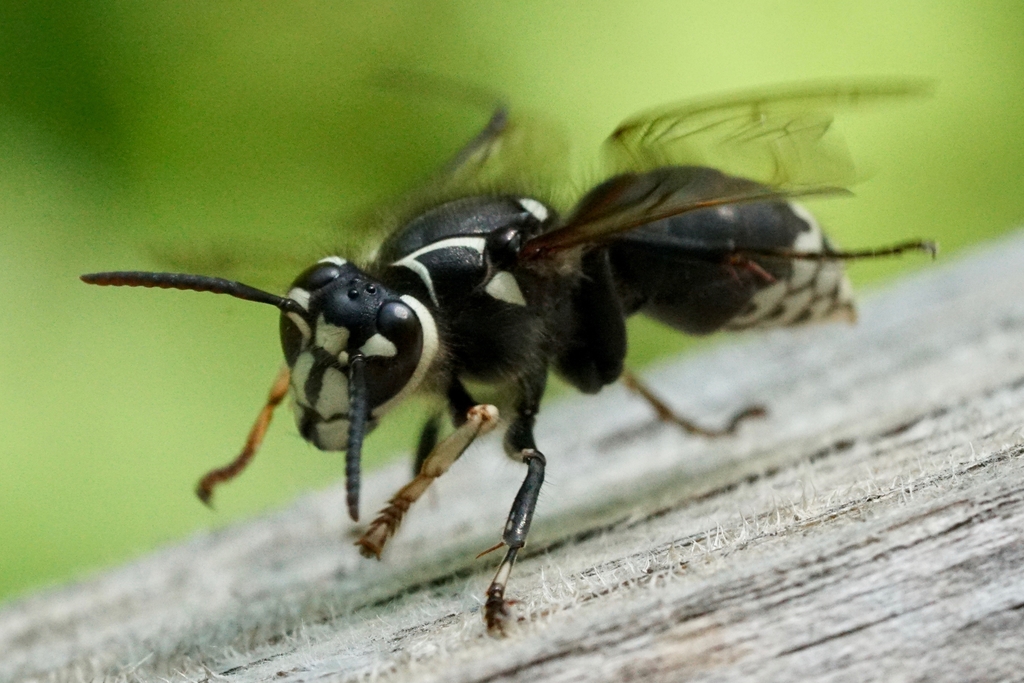
Tell your doctor or allergist which insect it was, if you know. Testing usually covers several venoms, because people often cannot tell a yellowjacket from a hornet or bee in the moment. See wasp vs. bee and bee sting vs. wasp sting.
Common questions
Can you become allergic to wasp stings later in life?
Yes. Sting allergy can develop at any age, even after many stings with only normal reactions. Any symptoms away from the sting site need emergency care.
How quickly does anaphylaxis start after a sting?
Usually within minutes, and most reactions begin within the first hour. That is why it helps to watch someone for an hour after a sting, especially a child.
Is an antihistamine enough for an allergic reaction?
No. Antihistamines can ease itching from a normal sting, but they do not treat anaphylaxis. Epinephrine and emergency care do.
If I am allergic to bee stings, am I allergic to wasps?
Not necessarily. Bee venom and wasp venom are different, and some people react to one but not the other. Allergy testing shows which venoms you react to.
Are children’s skin-only reactions as risky?
Children whose only reaction was hives or swelling of the skin generally have a lower risk of a severe reaction later than adults. An allergist can advise on testing and whether an auto-injector is needed.
Your next step
- First aid after an ordinary sting: wasp sting: what to do first.
- All sting and safety guides: stings and safety.
- A nest near your home: the wasp nest decision guide. Pets: dog stung by a wasp.
Related guides
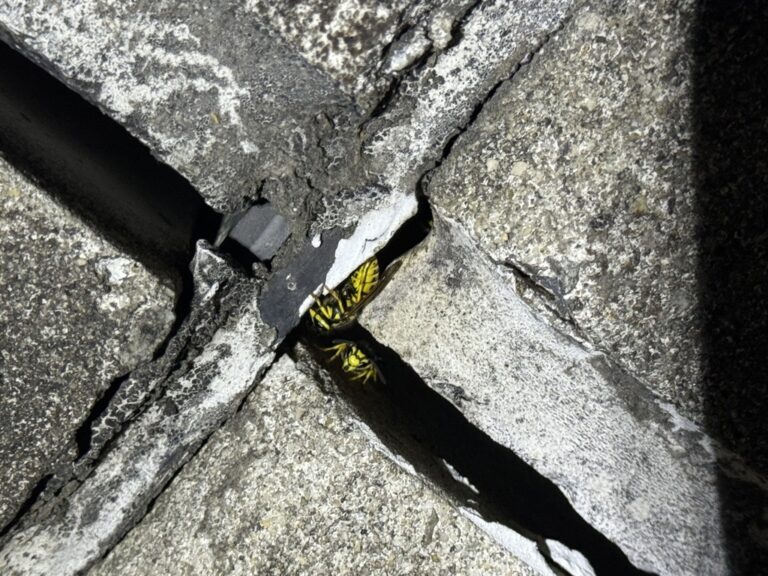 What Not to Do With a Wasp NestMost bad stings around wasp nests come from a few predictable mistakes: disturbing the nest in the…
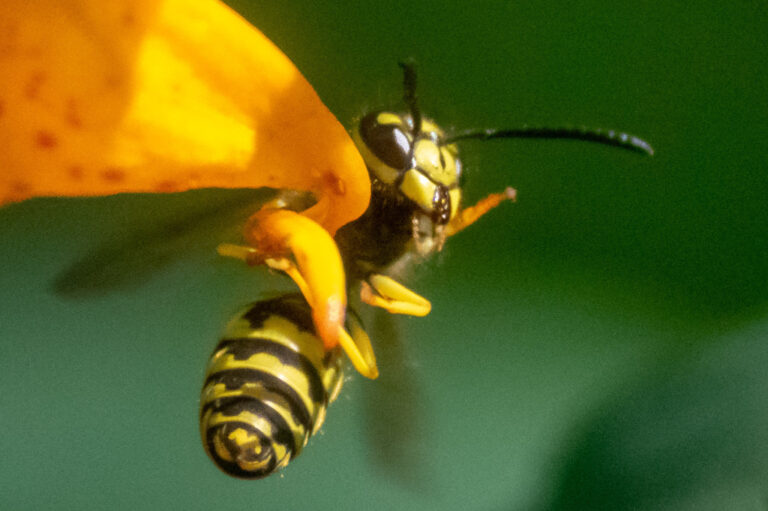 Wasp Sting: What to Do FirstMost wasp stings hurt sharply for a few minutes and leave a red, swollen, itchy spot that settles…When to Call a Professional for WaspsPlenty of wasp nests can be left alone, and some small ones can be handled yourself. But a few…
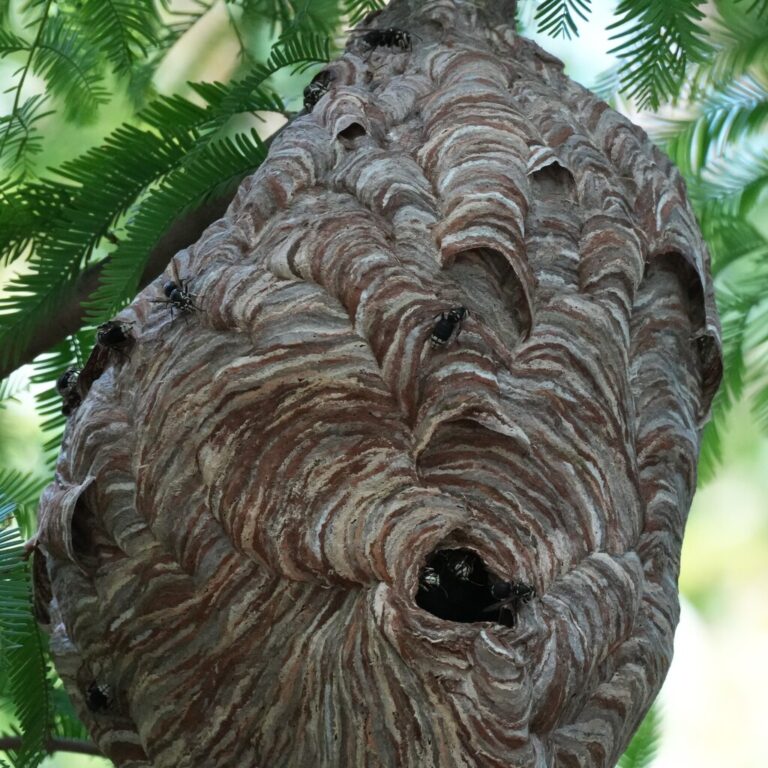 Is a Wasp Nest Active? How to Check SafelyWatch the nest from at least 10 to 20 feet away on a warm, sunny afternoon for 10 to 15 minutes. If…
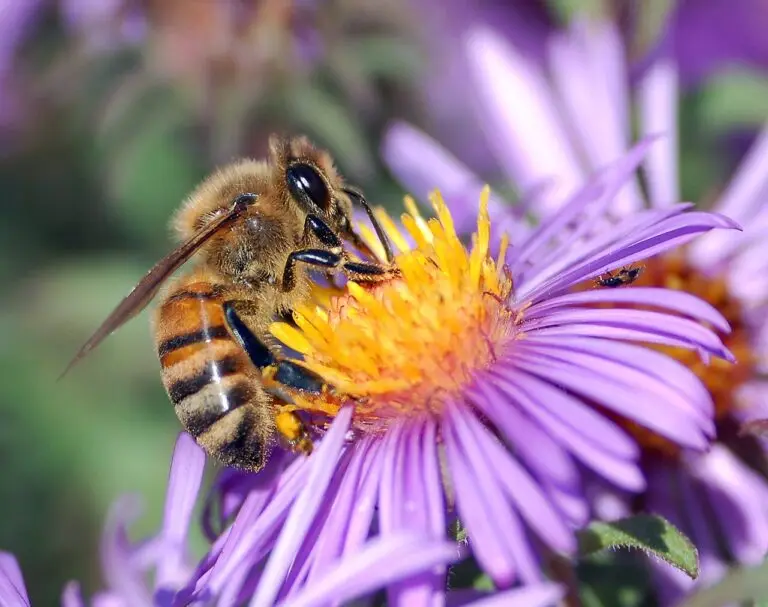 Bee Sting vs. Wasp Sting: How to TellStinger left in the skin? Probably a honey bee. How to tell, and what to do first…
Sources
- Insect Sting Allergies, American College of Allergy, Asthma and Immunology, reviewed 2023.
- Stinging Insect Allergy, American Academy of Allergy, Asthma & Immunology, 2026.
- Stinging insect allergy and immunotherapy, AAAAI Ask the Expert, 2017.
- Insect bites and stings: First aid, Mayo Clinic.
Photos on this page are shared by their authors on iNaturalist under Creative Commons licenses, credited under each image. For who writes these guides and how we stay independent, see About.