
Bee sting or wasp sting? How to tell, and what to do first
Updated
Trouble breathing, swelling of the face, lips or throat, hives spreading over the body, dizziness or fainting after any sting: call 911 now. If the person has a prescribed epinephrine auto-injector, use it as their doctor directed while you wait for help.
Short answer
If a small stinger is stuck in the skin, it was almost certainly a honey bee: its stinger is barbed, stays behind, and the bee dies. Wasps, yellowjackets and hornets have smooth stingers, leave nothing behind and can sting several times. First aid is the same for both: get away from the insects, remove any stinger right away, wash the spot and cool it. What matters most is not which insect it was, but how the body reacts over the next hour.
Is this the right guide? This page helps you work out what stung you and what to watch for. For the full first-aid routine, see what to do first after a wasp sting. For signs of an allergic reaction and allergy testing, see wasp sting allergy. If a pet was stung, see what to do if a dog is stung by a wasp.
How to tell what stung you
| Clue | Honey bee | Wasp, yellowjacket or hornet |
|---|---|---|
| Stinger left in the skin | Usually yes: a tiny dark splinter, sometimes with a pale sac on the end | No; the stinger is smooth and goes with the insect |
| How many stings | One per bee; the bee dies | Can sting again and again |
| Where it happened | Near flowers, clover in the lawn, a hive or a swarm | Near a nest, garbage cans, picnic food or sweet drinks |
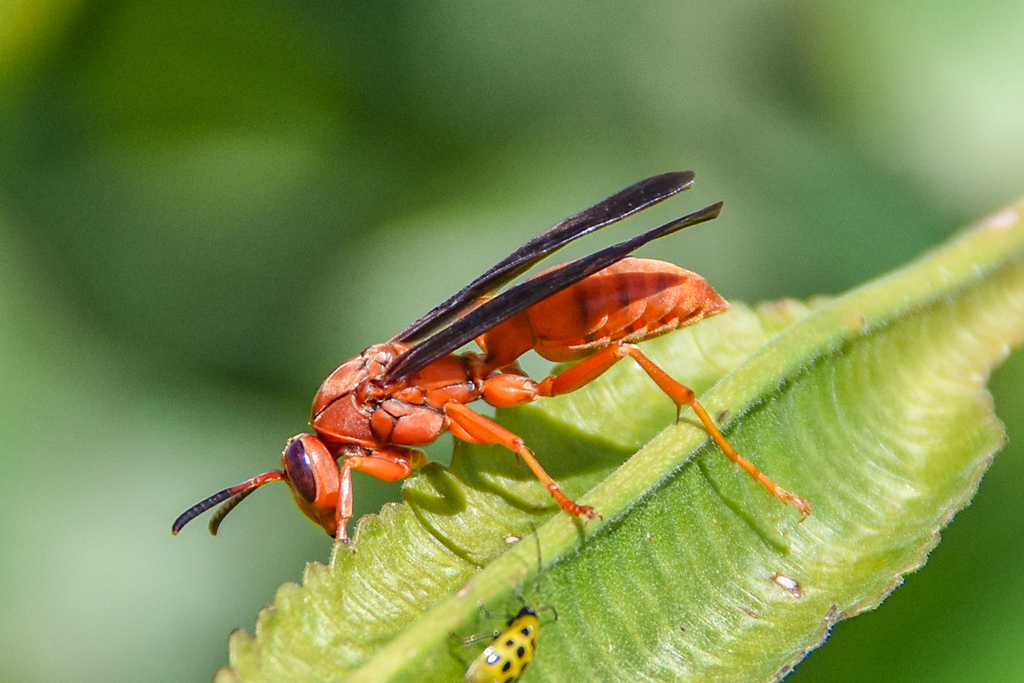
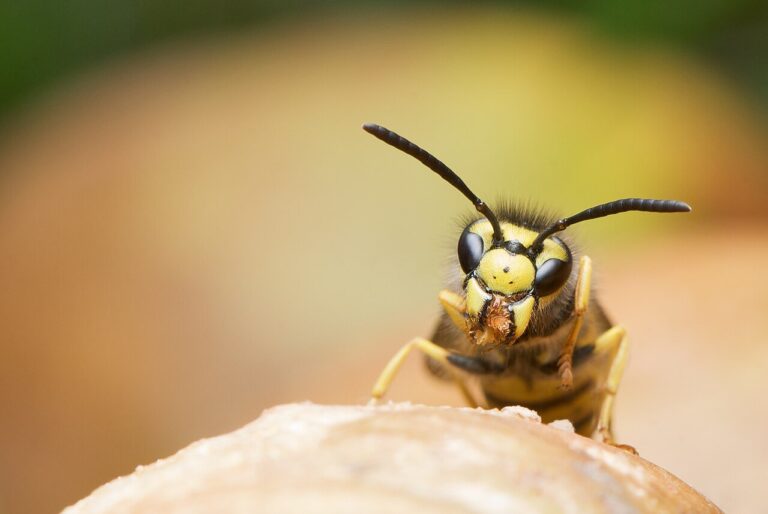
| What you saw | Fuzzy, golden-brown body | Smooth and shiny, often bright yellow and black, with a narrow waist |
| Several stings at once | Unusual unless you were near a hive | Common when a nest is bumped, mowed over or disturbed |
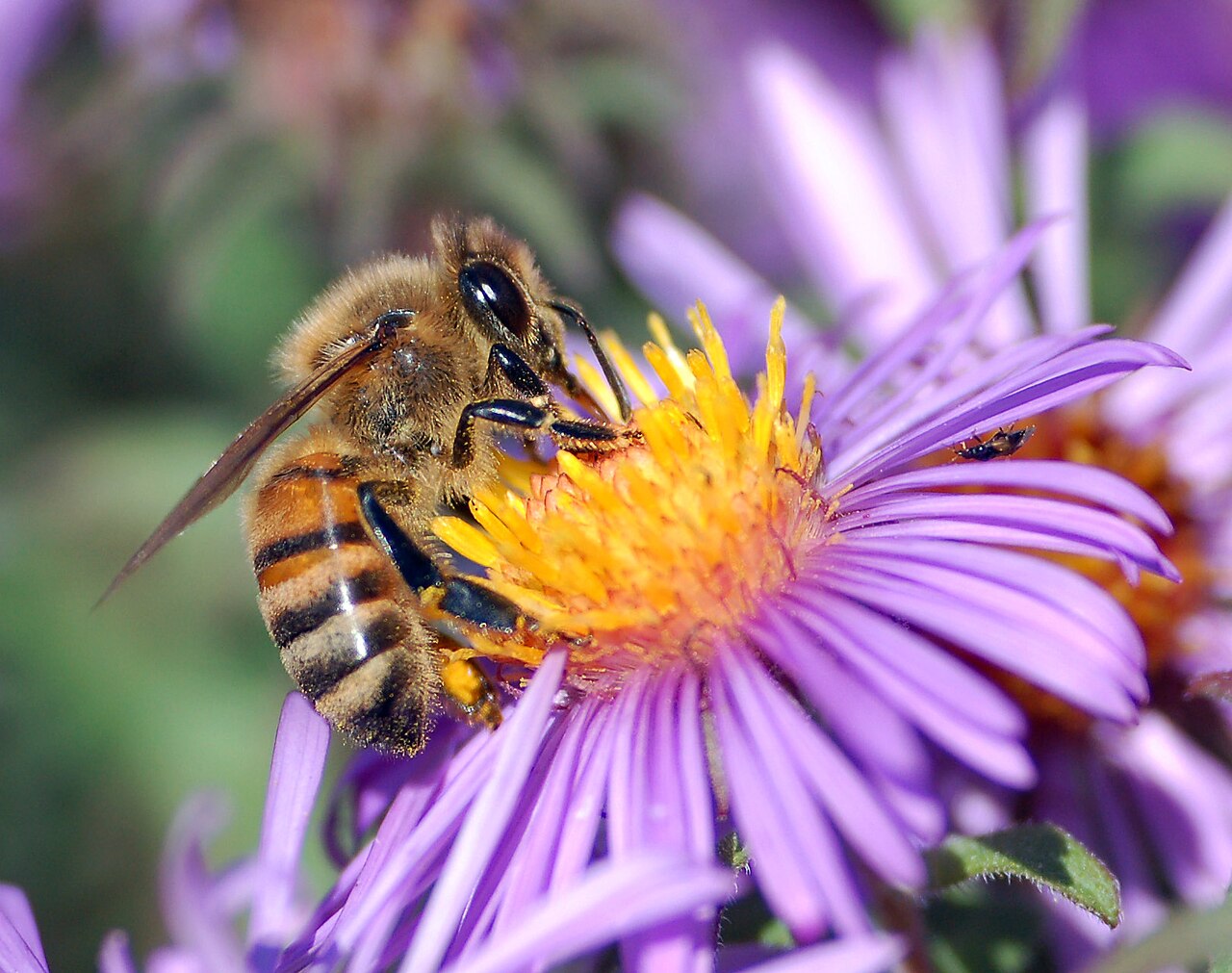
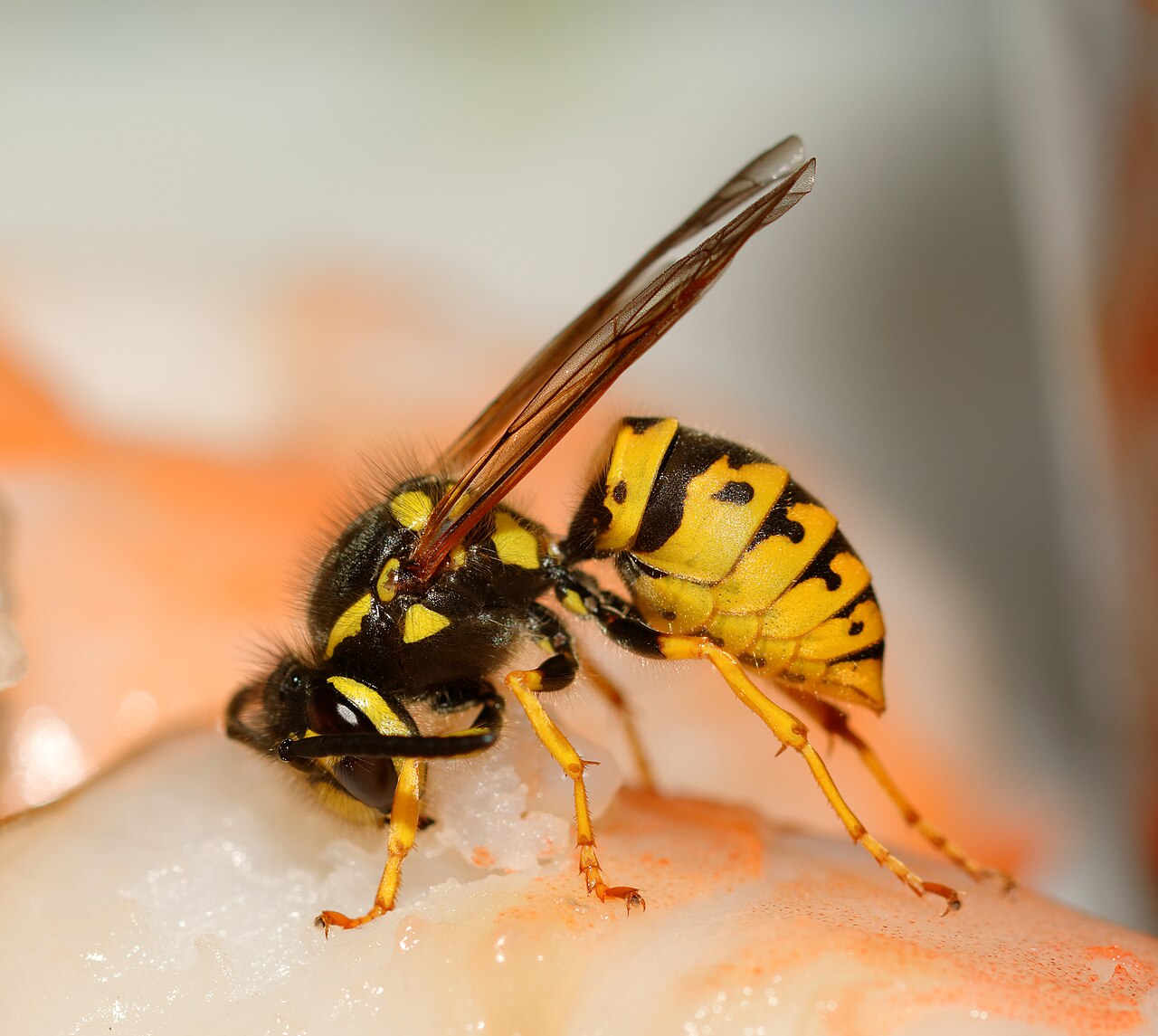
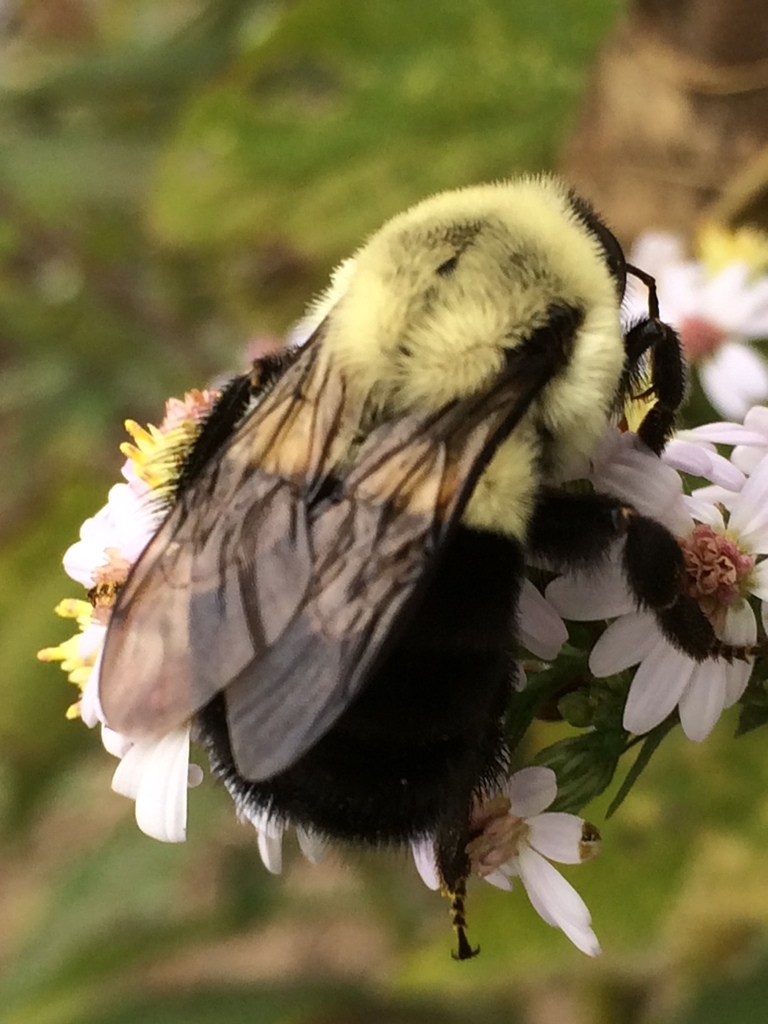
Bumblebees are the exception among bees: like wasps, they can sting more than once. Sensitivity to one kind of sting does not automatically mean sensitivity to the other, which is one more reason to note what you saw. For more help telling them apart, see wasp vs. bee and bumblebee, wasp or hornet.
What to do in the first minutes
- Move away. Walk quickly away from the spot, ideally indoors or into a car. A sting releases a scent that draws more insects, and a disturbed wasp nest keeps defending itself.
- Remove a stinger right away. If you see one, scrape or flick it out with a fingernail or the edge of a card as soon as you can. Speed matters more than technique. If there is no stinger, there is nothing to remove.
- Wash the spot with soap and water.
- Cool it. A cold pack or ice wrapped in a cloth eases pain and swelling.
- Raise the arm or leg if that is where the sting is.
- Do not scratch. Scratching makes itching and swelling worse and can let an infection in.
Over-the-counter creams or an antihistamine can ease itching and swelling. Follow the label, and ask a pharmacist if you are unsure, especially for a child. The full routine, with what to watch for later, is in sting first aid.
Normal reaction or something more?
- Normal reaction: sharp pain, then redness and a swollen bump about the size of a coin. Pain usually fades within an hour or two.
- Bigger swelling around the sting: swelling can keep growing for up to two days and take about a week to settle. It is usually not dangerous, but call a doctor if it is very large or keeps spreading.
- Allergic reaction: symptoms away from the sting, such as hives elsewhere on the body, swelling of the face or throat, trouble breathing, dizziness, stomach cramps or vomiting. Call 911.
- Many stings at once: a large dose of venom can make a person sick even without an allergy. More than a dozen stings needs medical care right away.
Had a serious reaction before? Ask your doctor about seeing an allergist. Testing can show which venom you react to, and venom immunotherapy (allergy shots) can lower the risk of another severe reaction. More in wasp sting allergy.
When to see a doctor
- A sting inside the mouth or throat, or on or near the eye.
- More than a dozen stings, or many stings on a small child.
- Swelling that is still growing after two days, or that covers most of an arm or leg.
- The spot looks infected a day or two later: more pain, warmth or pus instead of less.
- The person seems very unwell, even without breathing problems.
Why it still helps to know which insect it was
For first aid, it barely matters. It matters afterward. A swarm or a hive of honey bees is a job for a local beekeeper, not for spray. A wasp, yellowjacket or hornet sting near the house often means a nest close by, and the next person to walk past may be stung too. Start with what to do about a wasp nest; for small holes in the lawn, see bees nesting in the ground; and if the nest is large or hard to reach, see when to call a professional.
Common questions
There is no stinger in the skin. Was it a wasp?
Most likely a wasp, yellowjacket or hornet, or possibly a bumblebee. A honey bee stinger is small, so look closely in good light before you decide. Either way, first aid is the same.
Does a wasp die after it stings?
No. Wasps, yellowjackets and hornets have smooth stingers and can sting again. Only the honey bee worker loses its barbed stinger and dies.
Why is the swelling worse the next day?
That is common. Swelling can keep increasing for up to 48 hours and take about a week to go down. See a doctor if it keeps spreading, covers a large area, or the spot looks infected.
Can I be allergic to bee stings but not wasp stings?
Yes. An allergy to honey bee venom does not automatically mean an allergy to wasp venom, or the other way around. An allergist can test for each.
Your next step
- First aid step by step: what to do after a wasp sting.
- All sting and safety guides: stings and safety.
- A nest near the house: the wasp nest decision guide.
Related guides
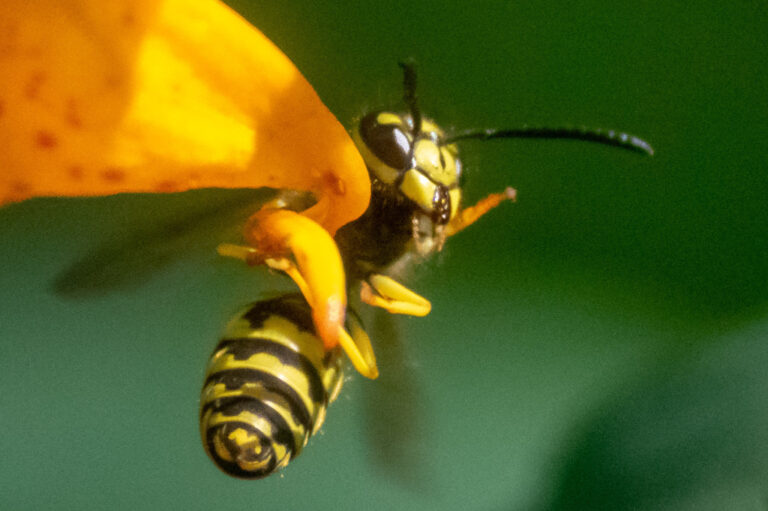 Wasp sting: what to do firstStep-by-step first aid, normal vs. large reactions, and when to call 911.
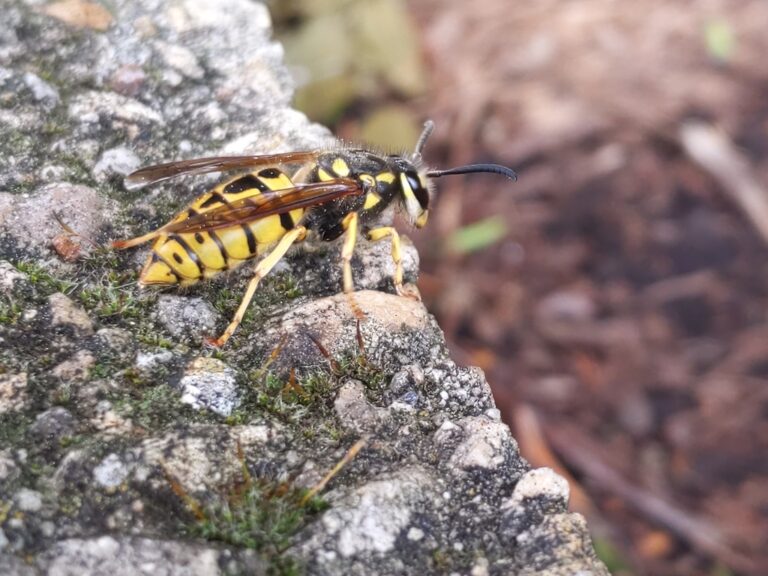 Wasp Sting Allergy: Signs, Emergency Steps and Long-Term ProtectionFor most people a wasp sting is painful but harmless. For a small share of people, venom triggers…
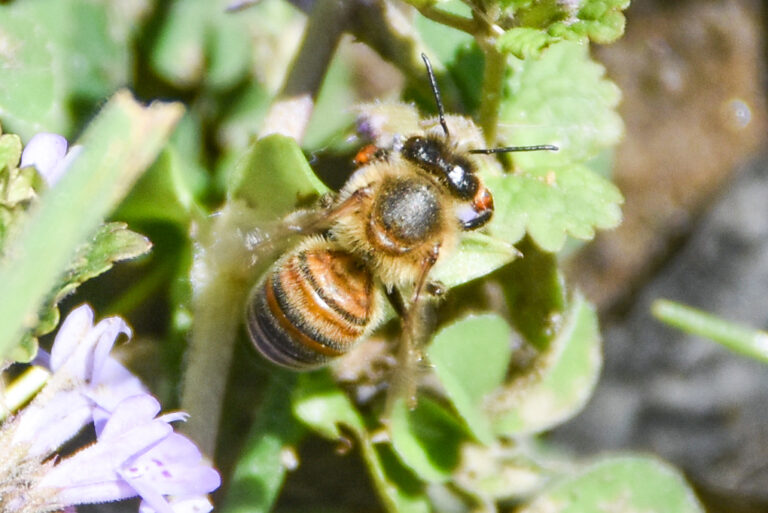 Wasp vs. Bee: How to Tell the DifferenceBees are fuzzy and stocky; wasps are smooth and narrow-waisted. Quick checks, nest clues,…
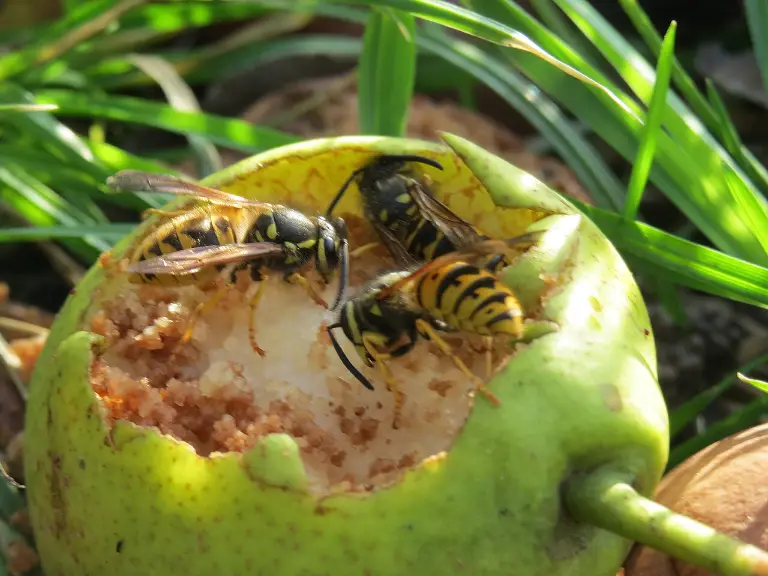 Dog stung by a waspWhat to do first, and the signs that mean a vet visit now.
 Wasp Sting Swelling: What’s NormalHow long swelling lasts, large local reactions, and when to see a doctor.
Sources
- How to treat a bee sting, Mayo Clinic.
- Stinging Insect Allergy, American Academy of Allergy, Asthma & Immunology, 2026.
- Bees and Wasps (G7391), University of Missouri Extension, reviewed 2019.
- Stinging Wasps and Bees (G1447), University of Nebraska–Lincoln Extension, revised 2008.
- Bee sting swelling the next day, Medical News Today, medically reviewed, updated 2024.
This guide is general information, not medical advice. Photos on this page are shared by their authors on Wikimedia Commons and iNaturalist under Creative Commons licenses or in the public domain, credited under each image. For who writes these guides and how we stay independent, see About.