
Wasp nest in a rental: who removes it, and what to do first
Updated
Short answer
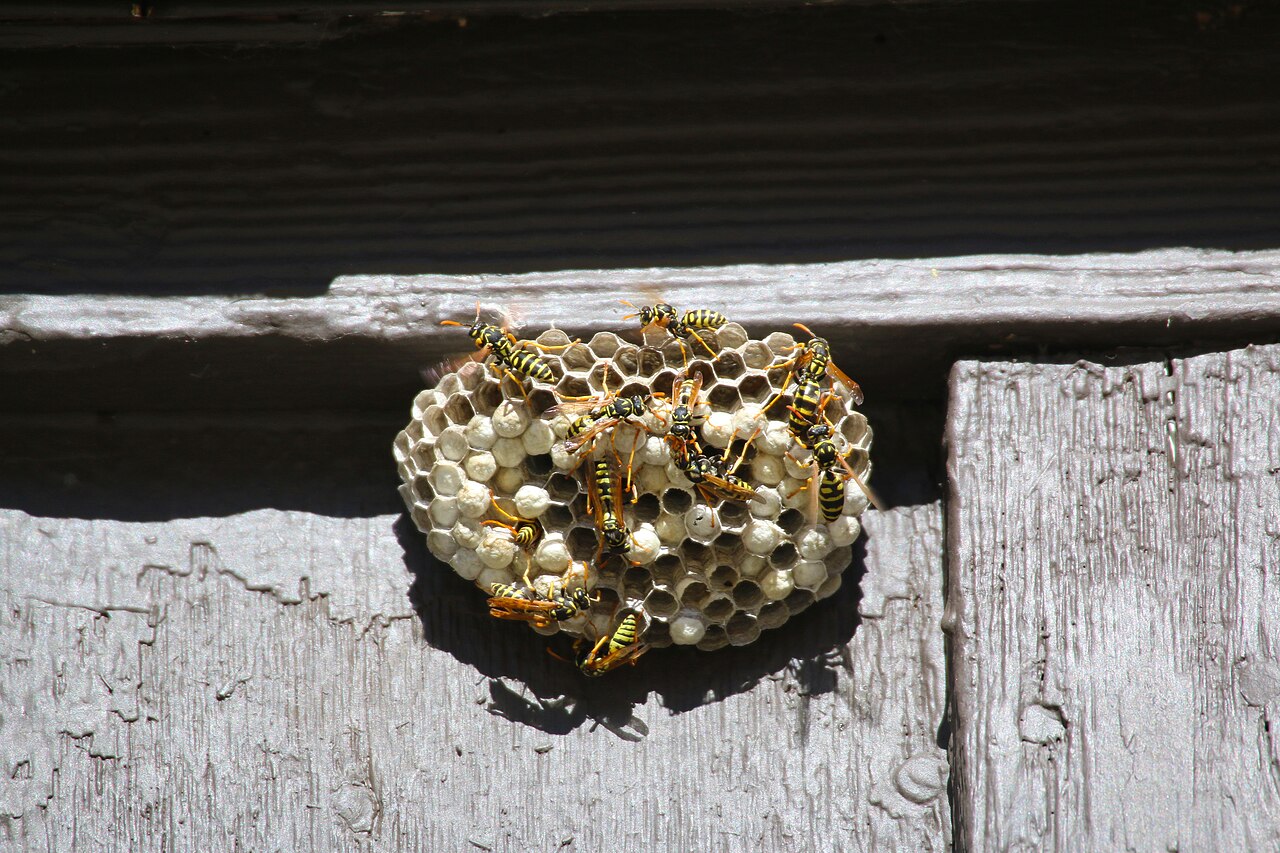
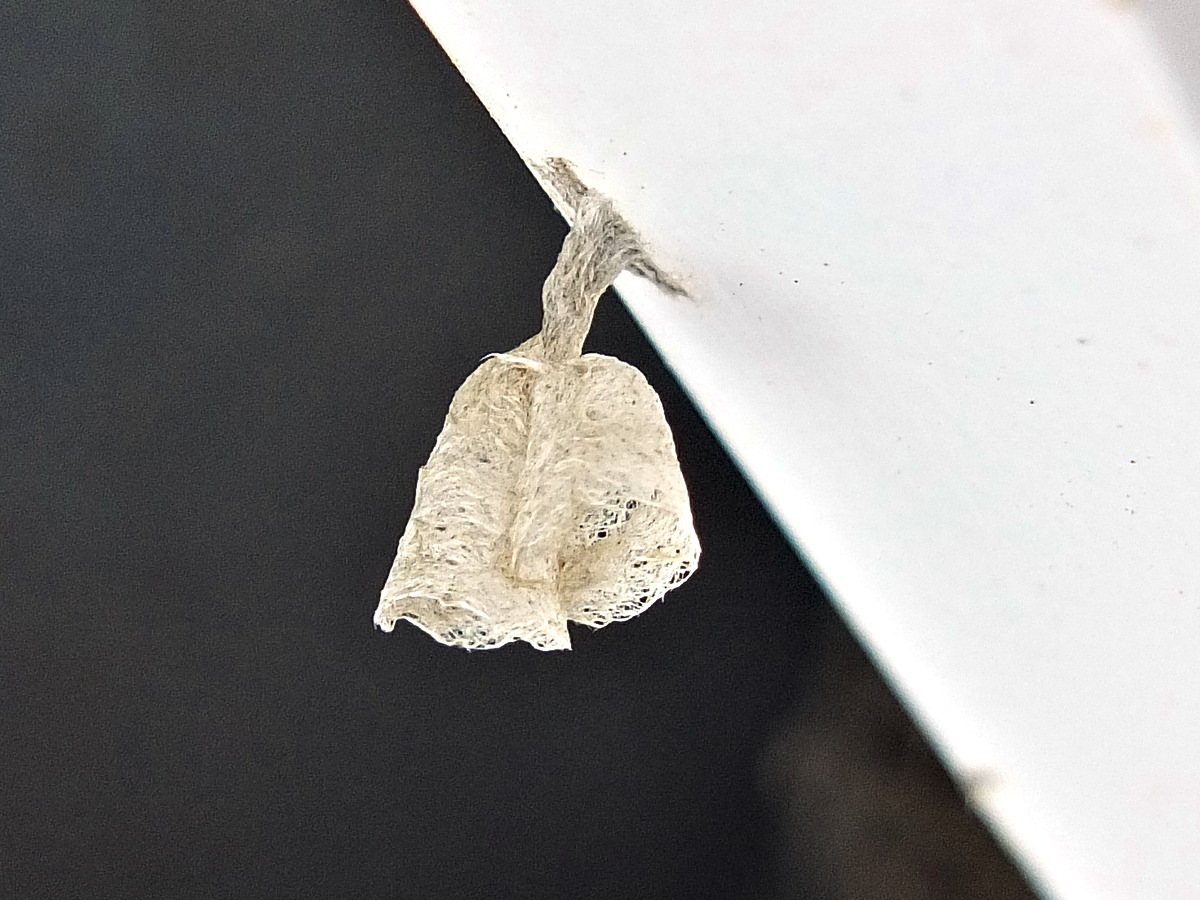
If wasps are nesting on or inside a rented home, tell your landlord or property manager in writing the same day, with the location and a photo taken from a safe distance. In most of the U.S., a nest in the building itself (walls, attic, vents, eaves) is usually the landlord’s job, especially when a gap or defect let the wasps in. Do not plug the entrance, spray into a wall or vent, or hire someone and deduct it from the rent until you have checked your lease and your state’s rules.
Is this the right guide? This page covers who handles it in a rental. For what the nest itself needs, see wasps in a wall, wasps in the attic, wasps in a vent or a nest under the eaves.
Who is usually responsible
Rules differ by state, city and lease, so treat this as a general picture, not legal advice. Most states require landlords to keep a rental fit to live in and to maintain the structure: roof, walls, foundation and openings. Washington State’s tenant guide, for example, says renters can ask the landlord to repair holes in the roof or foundation that let wasps or rats inside, and to ask for repairs in writing.
| Where the nest is | Who usually handles it | Why |
|---|---|---|
| Inside a wall, attic, vent or chimney | Landlord | A gap in the structure let them in, and treating a void is a job for a professional. |
| Under eaves, a porch ceiling or a shared stairwell | Landlord or property manager | It is part of the building or a common area. |
| In the yard of a single-family rental | Depends on the lease | Some leases make yard care the tenant’s job; a nest by the door or a safety risk is still worth reporting. |
| Something you brought in or caused | Often the tenant | Landlords usually have to show the tenant caused it. |
What to do in the first hour
- Keep your distance. Stay 10–15 feet from the entrance and keep children and pets inside or away.
- Note where it is. Wall, attic, vent, eaves, ground, and roughly how many wasps go in and out.
- Take a photo from a safe distance and write down the date and time.
- Tell the landlord in writing (email, text or the tenant portal), so there is a record.
- Do not block the hole. Wasps trapped in a wall can chew through drywall into your rooms.
How to tell your landlord
Keep it short and factual. A message like this is enough:
“Hi, there is an active wasp nest at [address], in [the wall by the back door / the attic vent / under the front eave]. I first noticed it on [date]; photo attached. Wasps are flying in and out near [the entrance / a bedroom window]. Could you arrange for a professional to deal with it, and let me know when? Thank you.”
Mention anything that makes it urgent, such as someone in the home with a sting allergy. Keep a copy of what you sent and any reply.
When it is urgent
- Someone in the home has had a serious reaction to a sting before (see wasp sting allergy).
- The nest is next to the only entrance, a child’s window or a play area.
- Wasps are getting into the rooms, or you hear chewing or buzzing inside a wall.
Call 911 if anyone has trouble breathing, swelling of the face or throat, or feels faint after a sting. For ordinary stings, see wasp sting first aid.
What not to do as a tenant
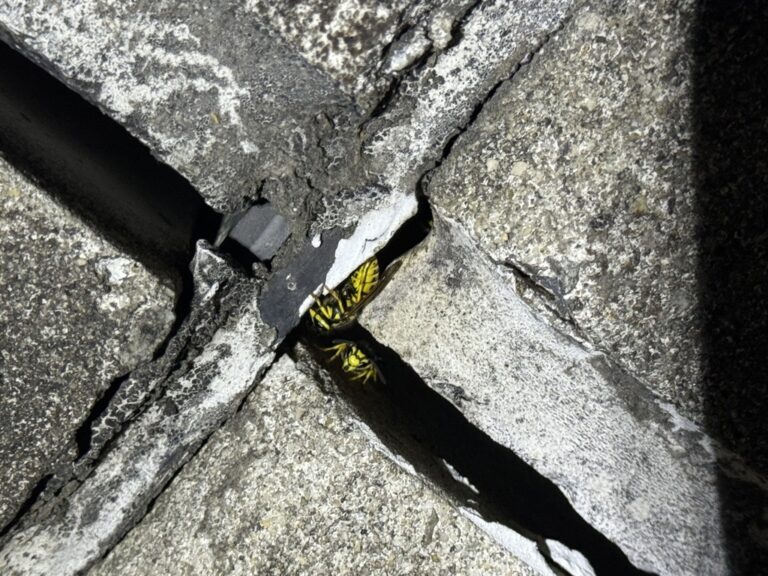
- Do not seal the gap or spray foam into it. Extension entomologists warn that wasps sealed in a wall will look for another way out, often into the house.
- Do not spray into a wall, vent or fan. It rarely reaches the nest and can push wasps indoors.
- Do not hire a company and deduct the bill from rent unless you have checked your lease and your state’s repair rules first.
- No fire, gasoline or flooding. See what not to do with a wasp nest.
If the landlord does not respond
Follow up in writing after a day or two and say what is happening now. If the nest is a real safety problem and nothing changes, your city or county housing or code enforcement office, your state attorney general’s tenant guide or a local legal aid office can explain your options. Do not stop paying rent without checking the rules where you live.
Common questions
Can I remove a small nest myself?
A small, open nest you can reach safely, early in the season, is often easy to deal with, but ask your landlord first, especially in an apartment building. Nests in walls, attics, vents or the ground should be left to a professional. See when to call a professional.
Can my landlord charge me for wasp removal?
Usually only if the lease says so and the problem was clearly caused by the tenant. A nest that got in through a gap in the building is normally a repair issue. If you get a bill you think is wrong, dispute it in writing.
Does renters insurance pay for wasp removal?
Usually not. Policies generally treat pest removal as maintenance. Check your own policy if wasps damaged your belongings.
The nest is in a shared area of my apartment building. Who handles it?
The landlord or property manager. Report it the same way and mention that other residents use that area.
It is winter and the nest looks dead. Do I still need to report it?
Yes, but it is not urgent. Most nests die with hard freezes, but the gap that let the wasps in should be repaired before spring. See how to tell if a nest is still active.
Your next step
- Send your landlord a short written message today.
- Find out what kind of nest it is: all removal guides by location.
- If you are paying for it: wasp nest removal cost and questions to ask a removal company.
More in Removal
 Wasp Nest in a Wall: Why Not to Seal ItWasps flying in and out of a crack in your siding, a gap under the trim or a vent usually mean a…
 Wasp Nest in the AtticWasps in an attic usually get in from outside, through a gable vent, a soffit gap or a gap at the…
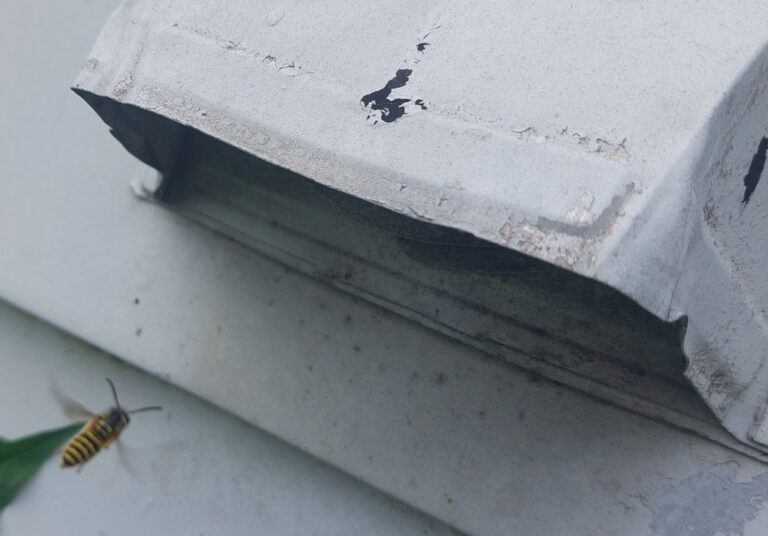 Wasps in a VentWasps showing up in a bathroom, laundry room or kitchen usually come through the duct behind an…
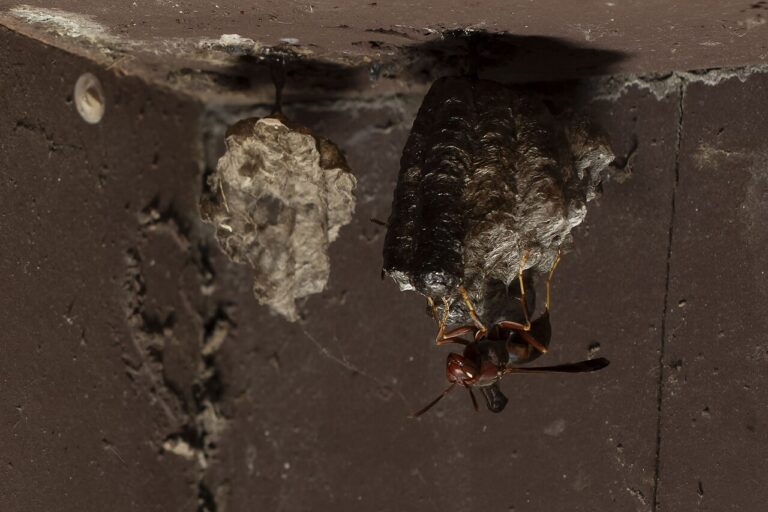 Wasp Nest Under EavesMost nests under eaves, soffits and porch ceilings are paper wasp nests: an open comb, like an…
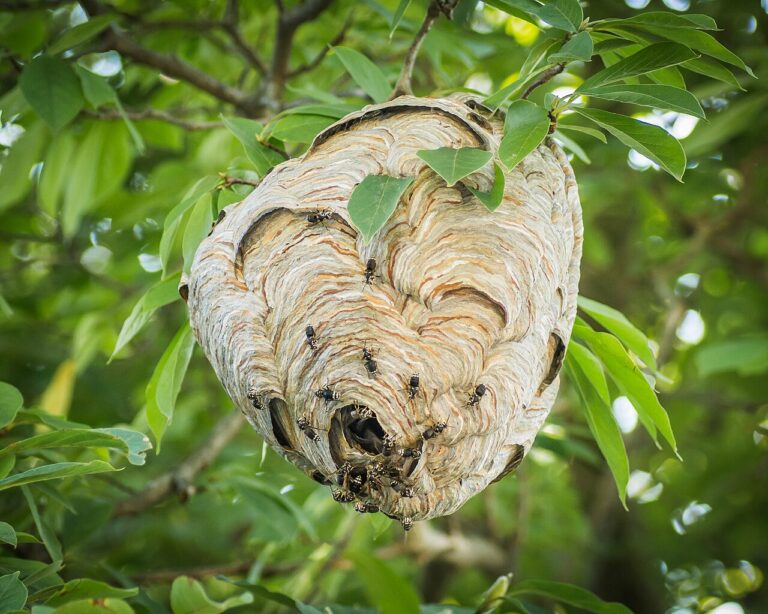 Questions to Ask a Wasp Removal CompanyLicense, insurance, the treatment plan and what the price includes.
Sources
- Pest infestations, WashingtonLawHelp.org (Northwest Justice Project), reviewed December 2025.
- Eastern Yellowjacket, Penn State Extension.
- Paper wasps and Yellowjackets, Nebraska Extension, University of Nebraska–Lincoln.
- Wasps and bees, University of Minnesota Extension.
This page is general information, not legal advice; landlord and tenant rules vary by state and city. We do not recommend specific companies and do not earn money from referrals. Photos are public domain or shared under Creative Commons licenses, credited under each image. For who writes these guides, see About.